
Perfume and the World’s Fairs: When Paris Made the World Dream
In the 19th century, the whole world gathered in Paris and London to admire the finest achievements of industry and the arts. Among the inventions and machines, a more discreet craft also turned heads: French perfumery.
The World’s Fairs were far more than trade shows. For several months, millions of visitors discovered pavilions from every corner of the globe, unknown materials and daring architecture. People came to glimpse the future, but also to travel without leaving Europe.
It all began in London in 1851, beneath the vast glass roof of the Crystal Palace. Paris took up the challenge in 1855, then hosted new editions in 1867, 1878 and 1889. The 1889 Exposition, which marked the centenary of the French Revolution, was the most spectacular: from May 6 to October 31, more than 60,000 exhibitors crowded the Champ-de-Mars, at the foot of an iron tower then considered bold, even scandalous.
For perfume houses, it was an extraordinary showcase. International juries rewarded the most remarkable creations, and a single medal was enough to make a name known far beyond its borders.
A House Crowned with Honors
L.T. Piver took part in this great adventure from the very beginning. Alphonse Piver received the Prize Medal in London in 1851 and again in 1862, a first-class medal in Paris in 1855, and a silver medal in 1878 for his products from Grasse.
In 1889, recognition reached its peak: the House was awarded a Grand Prix at the Paris Exposition Universelle. Lucien Piver was even entrusted with writing the international jury’s report on perfumery. A rare honor, placing the House at the very heart of its craft.
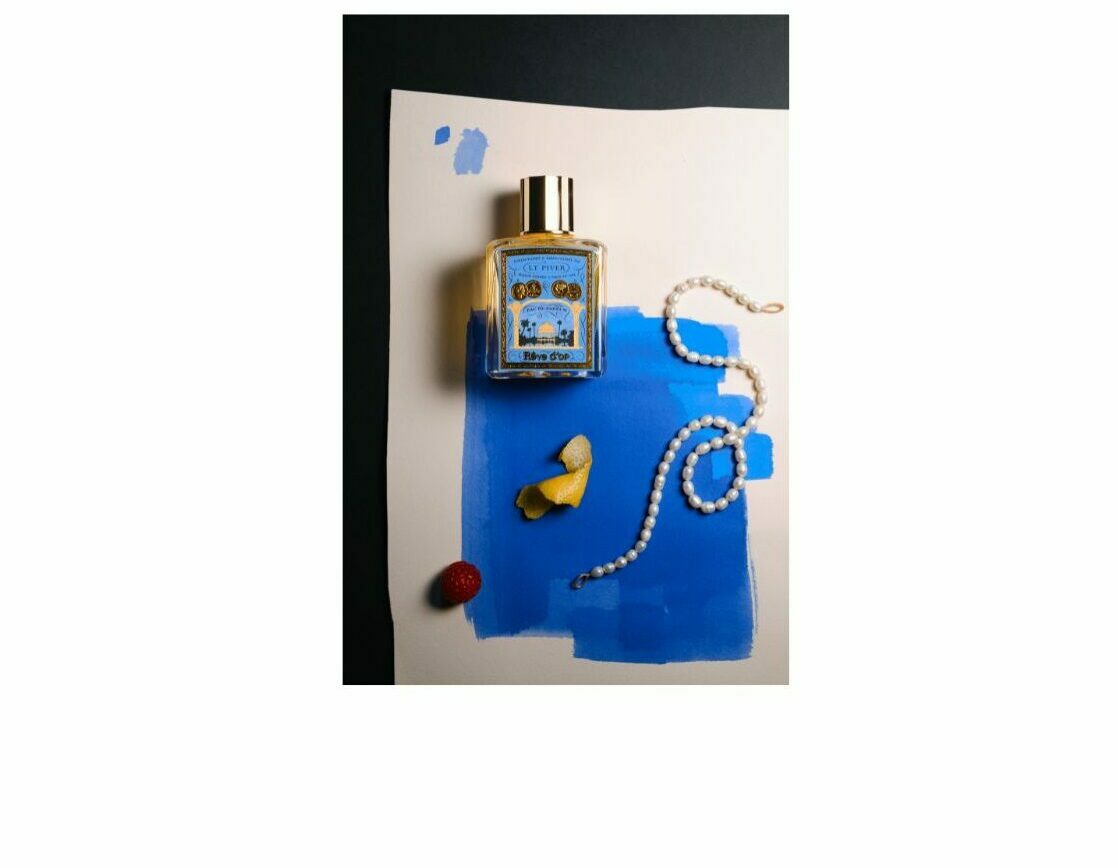
1889, the Year of Golden Dreams
That year, Paris unveiled the Eiffel Tower, and Orientalism flourished across Europe, from painting to the decorative arts. It was in this climate that Rêve d’Or was born, the vision of a dreamed-of Orient, opulent and generous. Its dreamlike world explores fantasies of fortune, luck and success: a fragrance designed to shine and to celebrate dreams fulfilled.
Rêve d’Or also marked a technical turning point. Thanks to perfumer Georges Darzens, it was the first fragrance to use aldehydes, the molecules that give perfumes their luminous, almost sparkling radiance. A modern fragrance, born at the foot of a tower that was just as modern. Its boldness extends to its bottle: in 1925, it was redesigned by Süe & Mare, pioneers of Art Deco.
The Call of Distant Routes
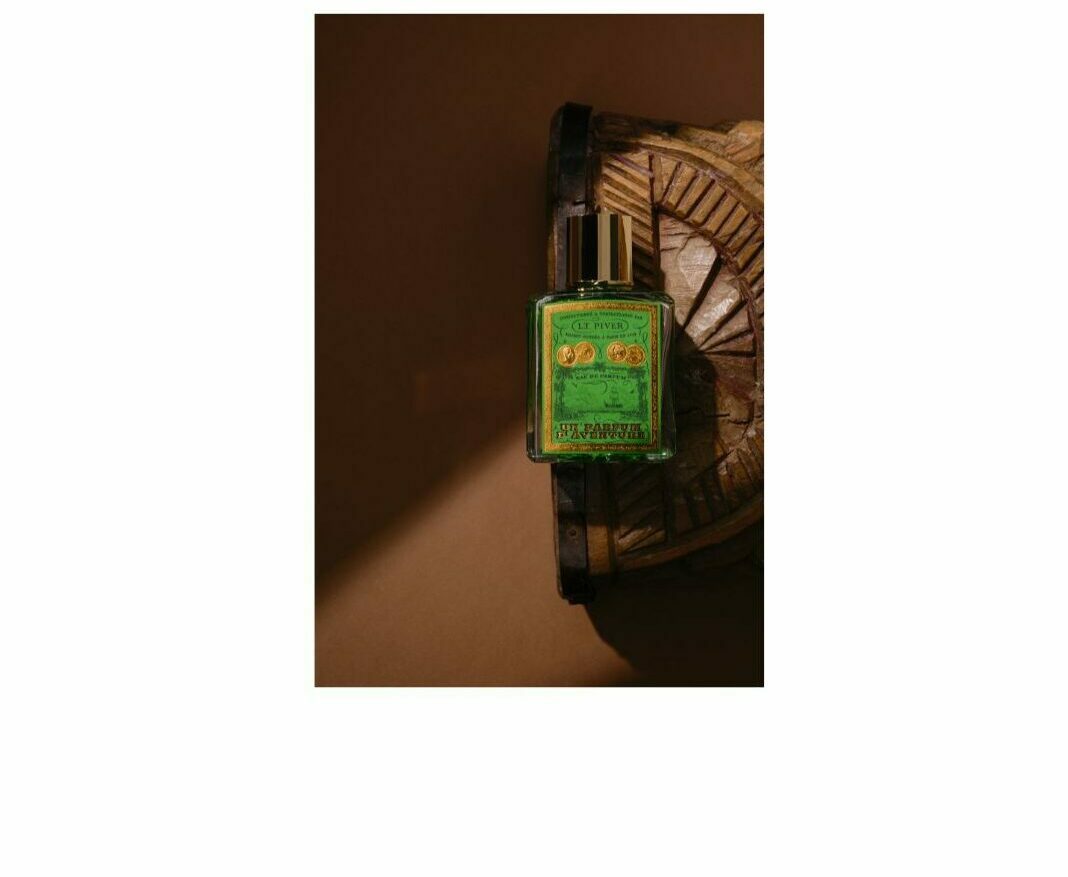
The World’s Fairs also fueled an immense taste for travel. Spices, precious woods, rare resins: every pavilion promised somewhere else. Un Parfum d’Aventure is heir to this spirit. Created for the 1863 International Exhibition, which welcomed 8 million visitors under the Second Empire, then relaunched in 1931 to reflect the advances of the 20th century, it celebrates the French explorers who traveled the spice routes linking the Orient to the Americas, and the many cultures the House has had the privilege to encounter. A true journey around the world of spices, with pepper, nutmeg and sandalwood.
This fascination with faraway lands and vanished civilizations runs throughout the 19th century. It also inspired Nohiba, an 1868 formula long kept in our archives, which the House now brings back to life as a Perfume Extract.
The pavilions have disappeared, but their spirit lives on in our bottles: curiosity about the world and the high standards of French craftsmanship. To wear one of these fragrances is to relive the time when Paris made the world dream.

Personalized Gift
Gift wrapping available with every order.

Customer Service
Our team is here to assist you: contact us by email.

Free Delivery
With any purchase $over 150

Complimentary Sample
Complimentary fragrance sample with purchases of 65€ or more.