
Amber, Leather, Vanilla: The Trio of Autumn
Every autumn, the same ritual returns. We put away our fresh colognes and reach instead for warmth, for a scent that envelops rather than refreshes. Three notes almost always come back: amber, leather and vanilla.
Why these, and why now? Since 1774, our House has observed this olfactory change of season. Here is what it says about us, and how to make the most of it.
Our attraction to warm notes is no accident. It comes down to three very concrete reasons.
Cold air holds fragrance. In warm weather, molecules evaporate quickly: light notes blossom, while heavy notes can become stifling. When the temperature drops, the opposite happens. Fresh notes fade almost instantly, while dense, resinous materials finally find their true measure.
Our skin changes. Heating, wind, cold: in autumn, skin becomes drier. And a fragrance lasts less well on dehydrated skin. Base notes, which are more tenacious, naturally make up for this loss.
We seek comfort. As the days grow shorter, we spend more time indoors, close to a steaming cup or a candle. Our olfactory desires follow the same movement: we want a fragrance that feels like a cashmere sweater, not a dive into the sea.
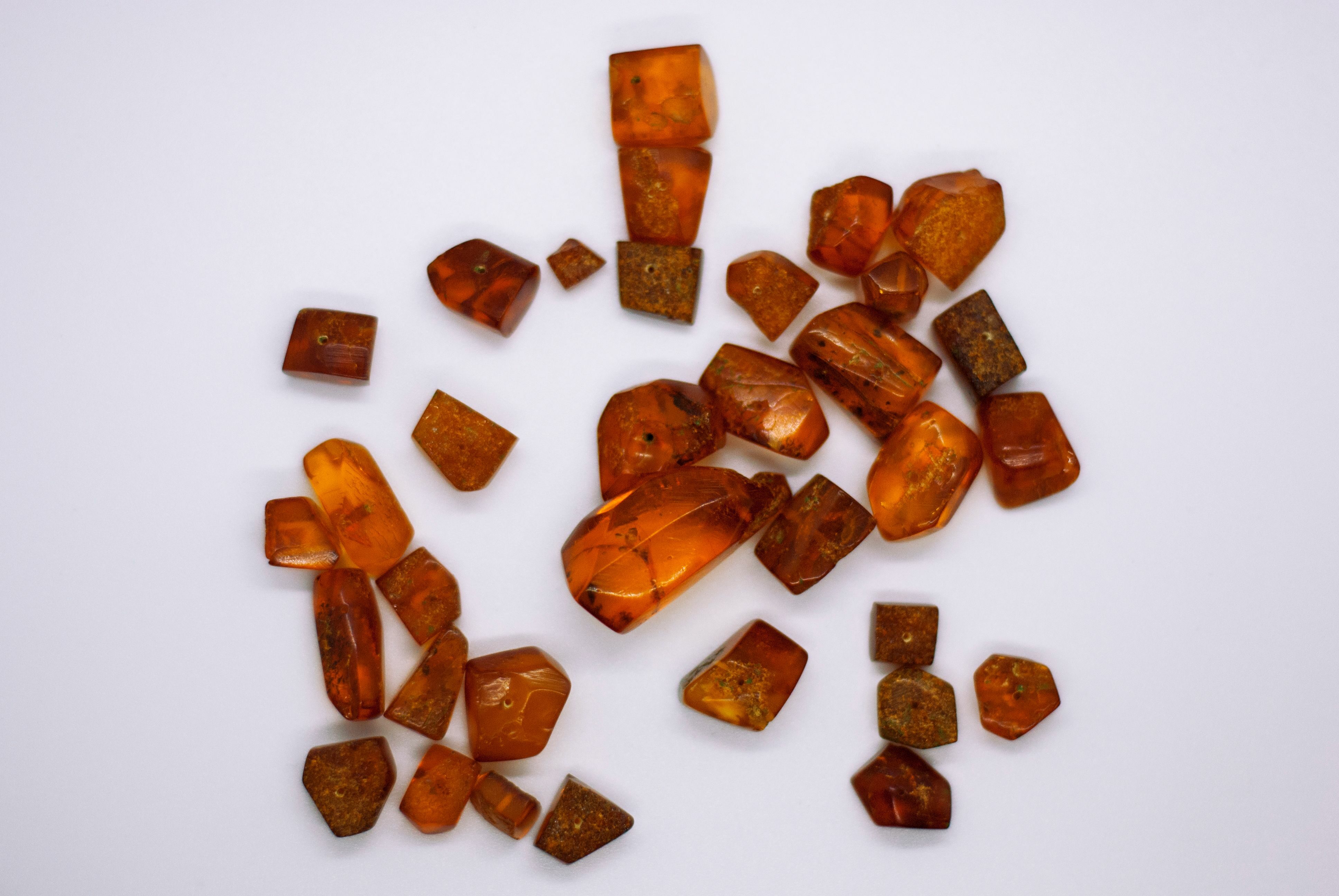
Amber, a Warmth That Envelops
The first secret: perfumers’ amber does not exist in nature. It is neither the fossil resin used in jewelry nor the ambergris of the oceans. It is an accord, a composition imagined by the perfumer to evoke a golden warmth.
Traditionally, it is created by blending resins such as labdanum or benzoin with soft, vanilla-like notes. The result is round, slightly powdery, almost luminous.
On the skin, amber behaves like a fabric. It does not impose itself; it envelops. This is probably why, from October onward, it becomes the favorite base note of so many fragrance lovers.
In our collections, you will find it at the heart of the base of Rêve d’Or, where it blends with cedar and musk in a cloud of flowers and balms, and in Pompeia, where it warms patchouli and osmanthus.

Leather, the Elegance of the Season
Leather holds a special place in the history of French perfumery. In the past, master glovemaker-perfumers scented hides to soften their smell. It is from this craft that our House was born, in 1774.
Today, the leather in a fragrance no longer comes from tanned hide. The perfumer recreates it from smoked woods, birch bark, spices or more animalic notes. Its scent is dry, weathered, slightly feral.
In the 19th century, one scent captivated all of Europe: that of Russian leather. These hides were tanned with birch bark oil, which made them supple and waterproof and gave them an inimitable smoky scent. Precious bookbindings, travel trunks, officers’ boots: their smell became synonymous with refinement. The perfumers of the time seized upon it to create a fragrance family of its own, still very much alive today.
In autumn, leather brings structure. It evokes the coat we take out again, an old book binding, a library armchair. Laid over amber, it gains warmth; paired with rose, it takes on a rare sensuality.
To discover this family, our Cuir de Russie, born at the end of the 19th century, blends leather with smoky oud and sandalwood. For a spicier leather, Un Parfum d’Aventure pairs it with cinnamon, nutmeg and incense.
Black Vanilla
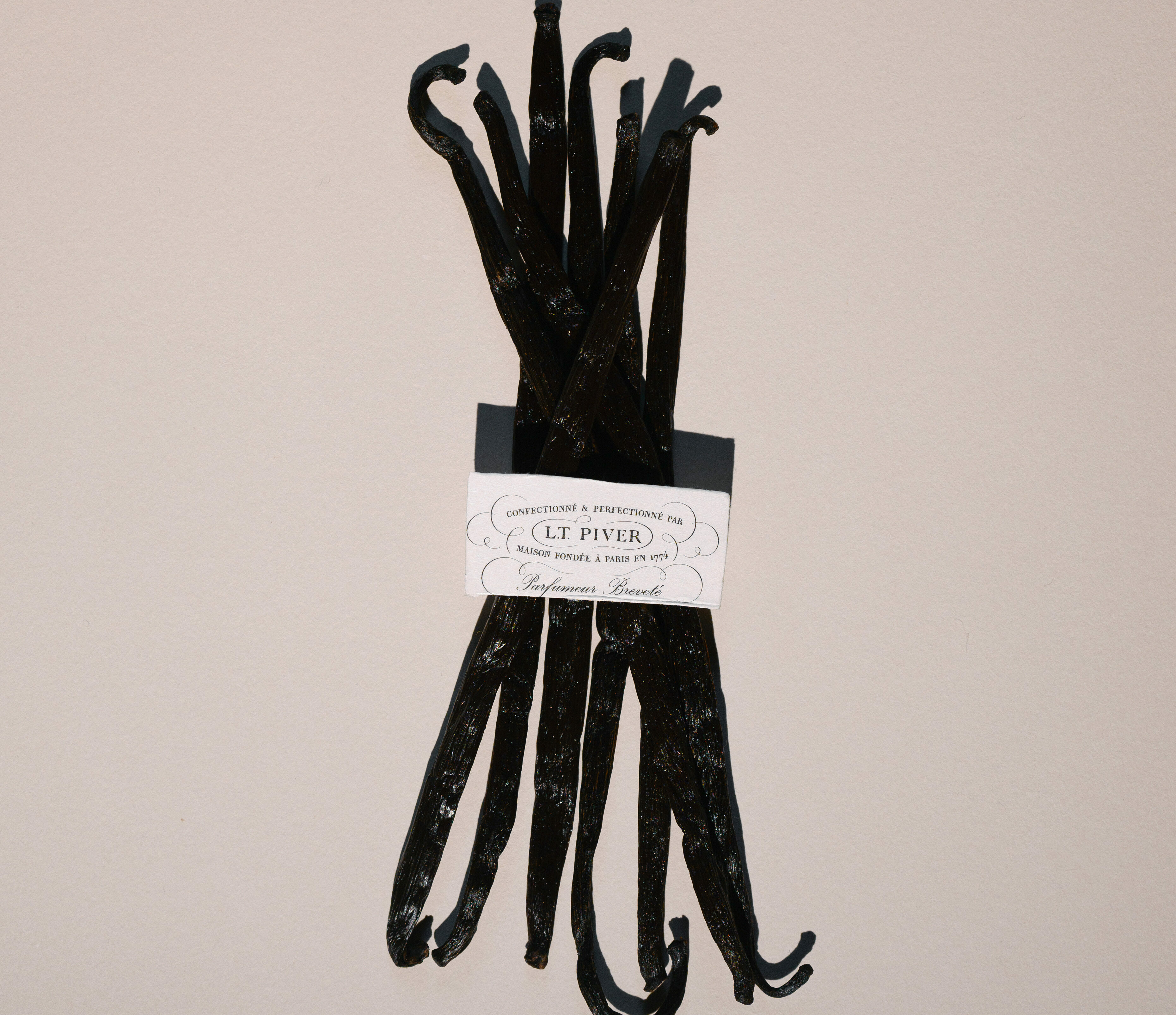
Forget the vanilla of pastry shops. In perfumery of character, it reveals an entirely different face: woody, smoky, almost leathery.
Vanilla is the fruit of an orchid. Picked green, it only releases its scent after months of preparation: scalding, sweating, slow drying in the sun. This long process brings out often-forgotten facets, hints of tobacco, dry wood and resin.
The term black vanilla refers to these long-cured pods, which have become dark, supple and glossy. Their color bears witness to their maturation: the more patient the preparation, the more concentrated and complex the aromas. Far from the synthetic flavor we associate with industrial sweets, black vanilla reveals a living, deep, almost woody material that perfumers work with as a true note of character.
This is the vanilla that interests us in autumn. A dark vanilla that does not flatter but envelops. It gives depth to leather, extends amber and leaves on the skin a soft, muffled trail, almost secret.
Their Seasonal Companions
Amber, leather and vanilla form a foundation. But it is often other, more discreet notes that give an autumn fragrance its character.
- Spices. Cinnamon, clove or cardamom warm the opening of a fragrance. They awaken the senses, like mulled wine on a November evening. This is the very spirit of Un Parfum d’Aventure, where cinnamon, clove and nutmeg make their way toward a base of leather, sandalwood and incense.
- Rose. We associate it with spring, and yet it reveals itself beautifully in autumn. Set on a warm base, it becomes darker, more velvety, almost candied.
- Papyrus and dry woods. They bring a noble, almost mineral dryness that balances the roundness of amber and vanilla.
- Candied citrus. Mandarin in the top notes adds a luminous sparkle that keeps warm compositions from becoming too heavy.
The perfumer’s whole art lies in dosing these companions with precision. Too much spice, and the composition turns sharp; too much rose, and it loses its mystery. Well balanced, they instead tell a story that evolves on the skin, hour after hour. This is what sets a niche fragrance apart: not a fixed scent, but a composition that unfolds slowly.
Our Tips for Wearing Warm Notes
Amber and resinous fragrances are generous. A few simple gestures help reveal them without weighing them down.
- Moisturize your skin before applying your fragrance. A neutral, unscented cream helps the notes cling and last.
- Aim for the warm spots. Wrists, the hollow of the neck, behind the ears, the inside of the elbows: body heat gently brings out the base notes.
- Keep a light hand. One or two touches are enough. Warm notes unfold over time and create a natural trail.
- Think of your scarves. A touch on a wool fabric makes the fragrance last all day, but test a discreet spot first on light-colored fabrics.
- Favor higher concentrations. An eau de parfum or an extrait resists the cold better and stays with the skin longer.
Finally, take the time to try. A warm fragrance is not judged on its first breath, but on how it evolves throughout the day and how it blends with your skin. To compare several compositions at your own pace, our Olfactive Library brings together the House’s seven iconic fragrances in discovery size. A lovely way to find your fragrance for the season.
Personalized Gift
Gift wrapping available with every order.

Customer Service
Our team is here to assist you: contact us by email.
Free Delivery
With any purchase $over 150
Complimentary Sample
Complimentary fragrance sample with purchases of 65€ or more.