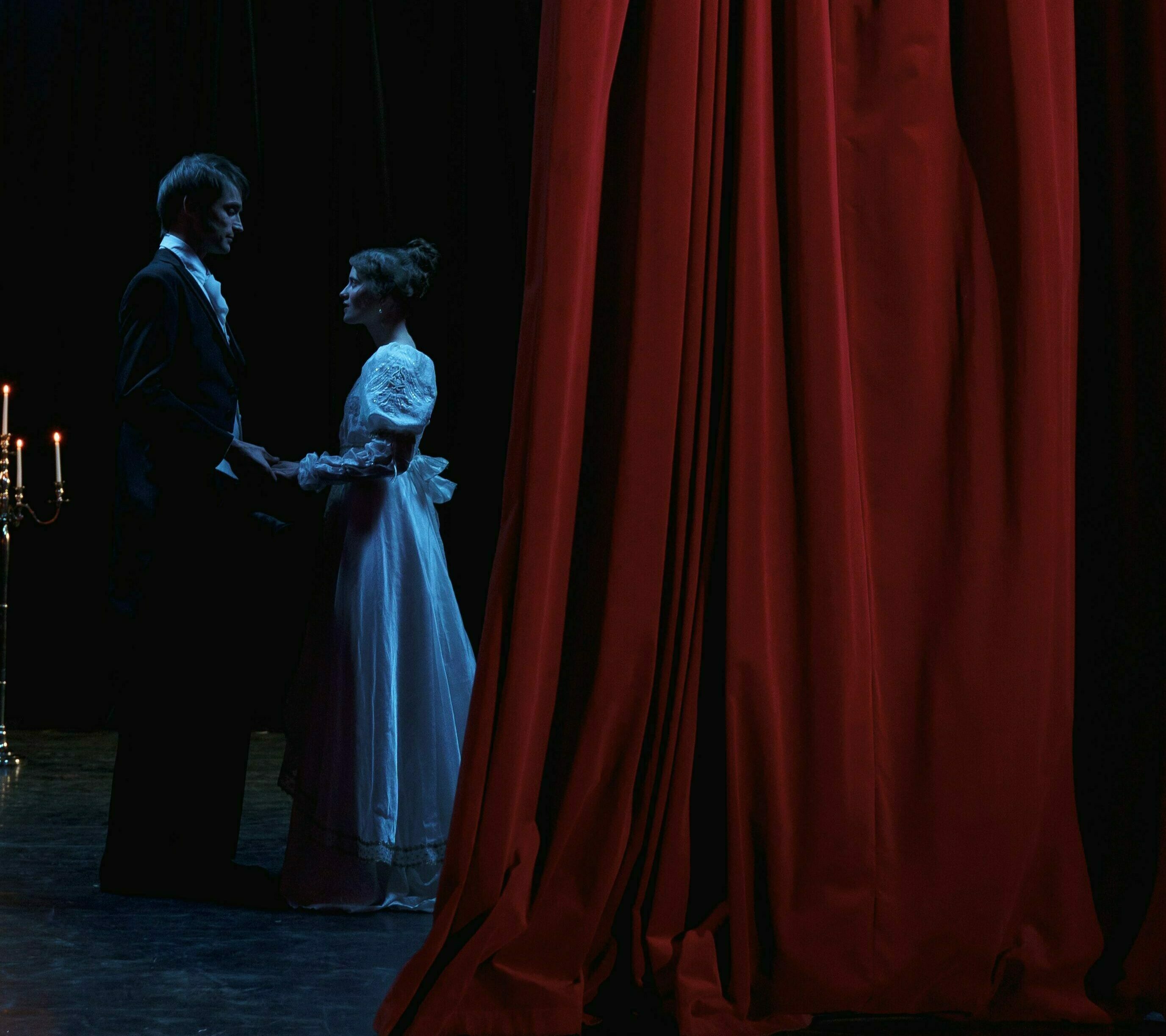
Lightness of the 18th Century
Our very first fragrance was born in 1774, the same year Michel Adam opened his shop “À la Reine des Fleurs” in Paris, almost immediately adopted by Marie-Antoinette herself. It was also the era in which the reputation of a man of many lives grew in the salons of Paris: Pierre-Augustin Caron de Beaumarchais, by turns a trained watchmaker, a musician, a businessman, and even a secret agent who helped covertly finance the American Revolution, before becoming one of the most performed playwrights of his century. His most famous comedy, The Marriage of Figaro, written in 1778, first ran into royal censorship, Louis XVI deeming it too insolent toward the nobility, before the play was finally authorized on stage in 1784, under pressure from the court, Marie-Antoinette chief among them, curious to discover a text all of Paris was already passing around in private readings. The play tells, in a lively and mischievous tone, the schemes of a servant cleverer than his master, in a whirlwind of mistaken identities that never quite settles. That same liveliness, that same light-hearted carelessness runs through À la Reine des Fleurs: verbena and orange blossom in the top notes, lavender and rosemary in the heart, a trail that never takes itself too seriously, much like this comedy that ended up unsettling the court by daring to laugh at everything.