The Art of Preserving a Fragrance


A well-composed fragrance deserves informed care. Light, heat, air: three forces that olfactory chemistry resists poorly. Understanding their effects means understanding how to preserve, year after year, everything a perfumer spent months building.

By L.T.Piver

Why a Fragrance Deteriorates

The bathroom is where most people store their fragrance. It is also the worst possible place. Steam, temperature fluctuations, sometimes direct light: within a few weeks, a fragrance left on a windowsill or near a shower can lose a significant part of what made it interesting. The perfume you then wear is no longer quite the one you chose.

A fragrance is a chemical construction of great complexity. The odorous molecules that compose it, whether derived from natural or synthetic raw materials, are sensitive to their environment. These phenomena are inevitable in any opened bottle. But their rate depends entirely on storage conditions. A closed drawer, a room at a stable temperature, the original case kept intact: these simple habits are enough to preserve a quality fragrance for several years.

For the fragrances of L.T. Piver, whose drawer maturation lasts three to four months and draws on over a hundred natural ingredients sourced from Grasse and Italy, this question of preservation takes on particular significance. It means protecting an investment in an object that has required time, rare raw materials, and expertise passed down since 1774.
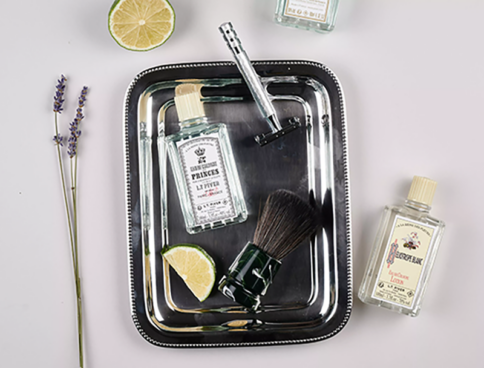
The Three Enemies of a Fragrance

Ultraviolet light is the first enemy. It breaks the molecular bonds of aromatic compounds, beginning with the top notes, the most delicate. A bottle exposed on a windowsill, even in tinted glass, undergoes accelerated degradation within a few weeks.

Heat is the second enemy. It accelerates all chemical reactions, including those that degrade odorous molecules. The interior of a car in summer can reach temperatures that, within a few hours, permanently alter a fragrance. The rule is absolute: never leave a bottle in a car between April and September.

Air is the third factor. Each use introduces a small amount of air into the bottle, gradually beginning the oxidation of the juice. A nearly full bottle keeps better than one three-quarters empty: the less air there is, the slower the oxidation. The cap must always be tightly closed after each use.

What Lasts, What Is Fragile

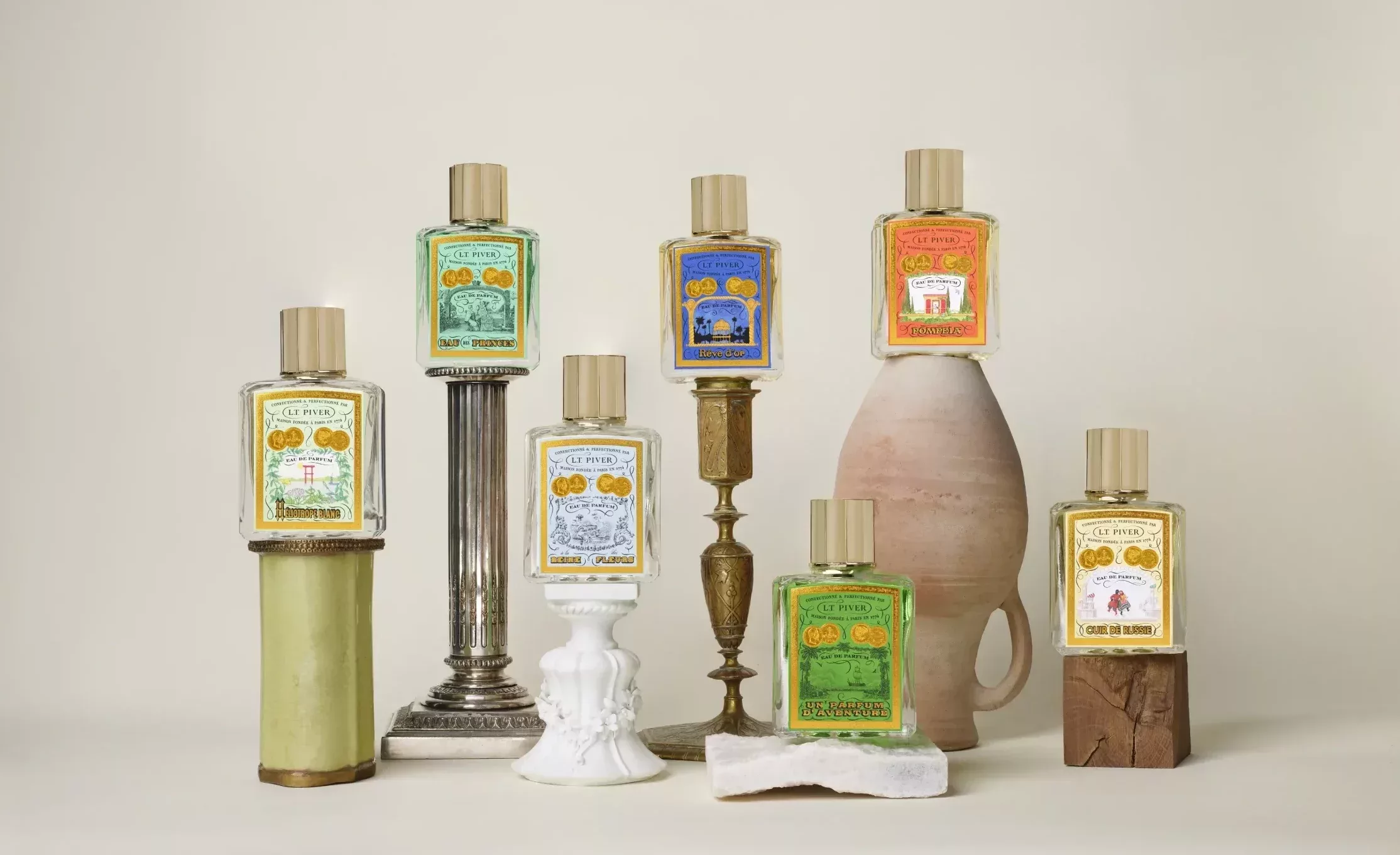
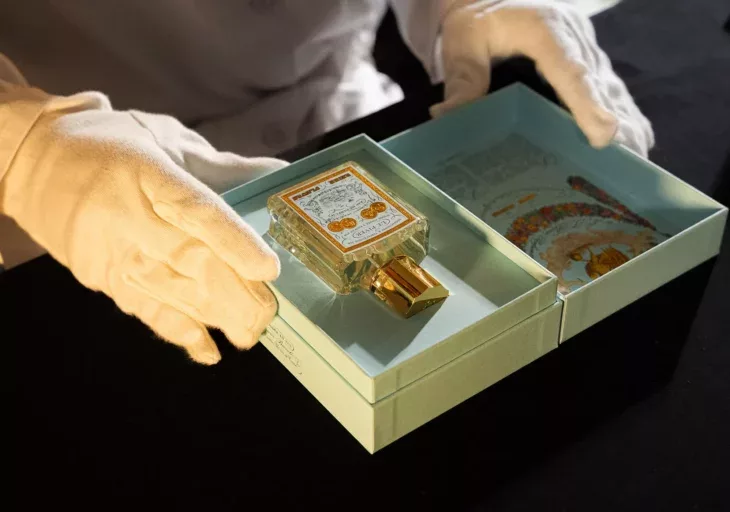
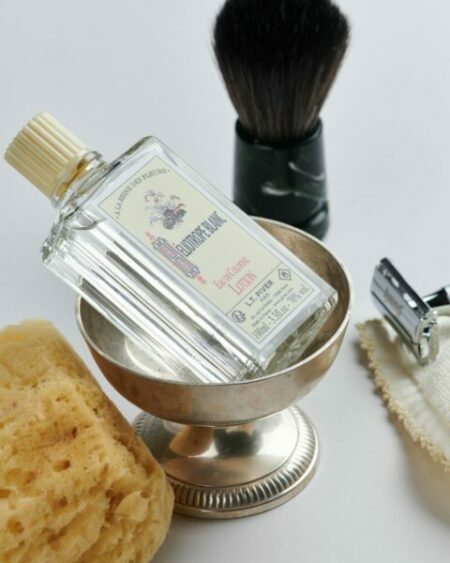
An opened and properly stored fragrance can last between three and five years. Oriental and woody fragrances, whose base notes are rich in resins and stable molecules, can last even longer. A bottle of Héliotrope Blanc or Rêve d’Or, kept in its case at a constant temperature, can be worn without any loss of quality well beyond five years.

Citrus and light floral fragrances, whose top notes consist of volatile molecules more reactive to oxidation, are more sensitive over time. The signs of a deteriorated fragrance are generally clear: the top note becomes acidic, flat, or vinous. The colour of the juice may gradually darken. These changes are irreversible.

An unopened bottle, kept in its case away from heat and light, can be preserved for a very long time. Some collectors own bottles from the house dating back several decades, still perfectly intact in their composition.

Special Cases: Travel, Opened Bottles, Collections

Travel raises a specific question. For frequent air travel, it is better to bring small formats or samples and keep the main bottle at home. Refillable travel atomisers, which allow a few millilitres of fragrance to be transferred into a hermetic, pocket-sized bottle, are the most elegant solution.

For those who own several fragrances, a dedicated, closed drawer in a room at a stable temperature represents the ideal environment. Bottles can be stored upright to reduce the surface contact between the juice and the cap. For collectors keeping unopened bottles over long periods, a cellar or cool, dark space is the optimal solution.

The question of near-empty bottles deserves attention. When a bottle contains only a few millilitres, air occupies most of the volume and oxidation accelerates. In this case, it is better to use the remainder quickly. If one wishes to preserve a fragrance in a near-empty bottle, glass beads inserted into the bottle can reduce the air volume without altering the composition.

“A well-preserved fragrance is a fragrance that keeps its promise. Not just on the first day — every day for several years.” — L.T. Piver

Drawer Maturation: A Natural Chemical Shield

The drawer maturation practised by L.T. Piver, one of the last houses to master this expertise entirely in-house at its factory labelled Entreprise du Patrimoine Vivant, has a direct impact on the longevity of a fragrance. A composition that has had time to stabilise over three to four months is chemically more homogeneous: the molecules have established stable equilibria between them, bonds that make them less vulnerable to external forces.

A fragrance bottled immediately after blending, without this maturation time, is not only less complex on the nose, but also more fragile over time. It will be more sensitive to oxidation, more likely to lose its top notes quickly, and less resilient in the face of temperature or light variations.

The stability of a well-matured fragrance can be verified concretely: its base notes remain true to themselves several years after the bottle is opened, provided it is properly stored. What one invests in a fragrance from the house deserves to be protected with the same rigour that presided over its creation.

The Promise of a Lasting Fragrance

There is a simple way to measure the quality of preservation: opening a bottle kept for two years and finding that it smells exactly as it did on the first day. Not acidic, not flat, not vinous: identical. This is the result of good storage combined with a fragrance that was well matured from the outset.

Most people only think about preserving a fragrance when it is too late.  When the top note has changed and the fragrance no longer feels like theirs. These few simple habits are enough to preserve for several years a fragrance in which one has invested.

For the fragrances of L.T. Piver, each bottle being the culmination of over a hundred natural ingredients and three to four months of maturation, this question of preservation takes on particular significance. It means preserving not only a fragrance, but the visible result of an expertise that very few houses still practise.

“A well-preserved fragrance is a fragrance that keeps its promise. Not just on the first day.”

Discover L.T. PIVER collection

Personalized Gift

Gift wrapping available with every order.

Customer Service

Our team is here to assist you: contact us by email.

Free Delivery

With any purchase over 55€ to pickup point

Complimentary Sample

Complimentary fragrance sample with purchases of 65€ or more.