
How to Choose Your Fragrance: A Few Guideposts to Help You
People often ask "what's the best fragrance?", as if there were a universal answer. In reality, there's mostly the right fragrance for a moment, a skin, a particular mood. Choosing a fragrance isn't so different from choosing an outfit: the question isn't "what's objectively best," but "what suits me, today." Here are a few guideposts to help you answer that, with no right or wrong way to choose.
It’s tempting to choose a fragrance because it’s popular, because a note is “trending,” or because someone close to you wears it beautifully, and that’s a perfectly valid way to discover new scents. But a fragrance truly reveals itself on skin rather than on paper: body warmth and each person’s pH slightly transform every raw material. Two people wearing the same fragrance never smell quite the same.
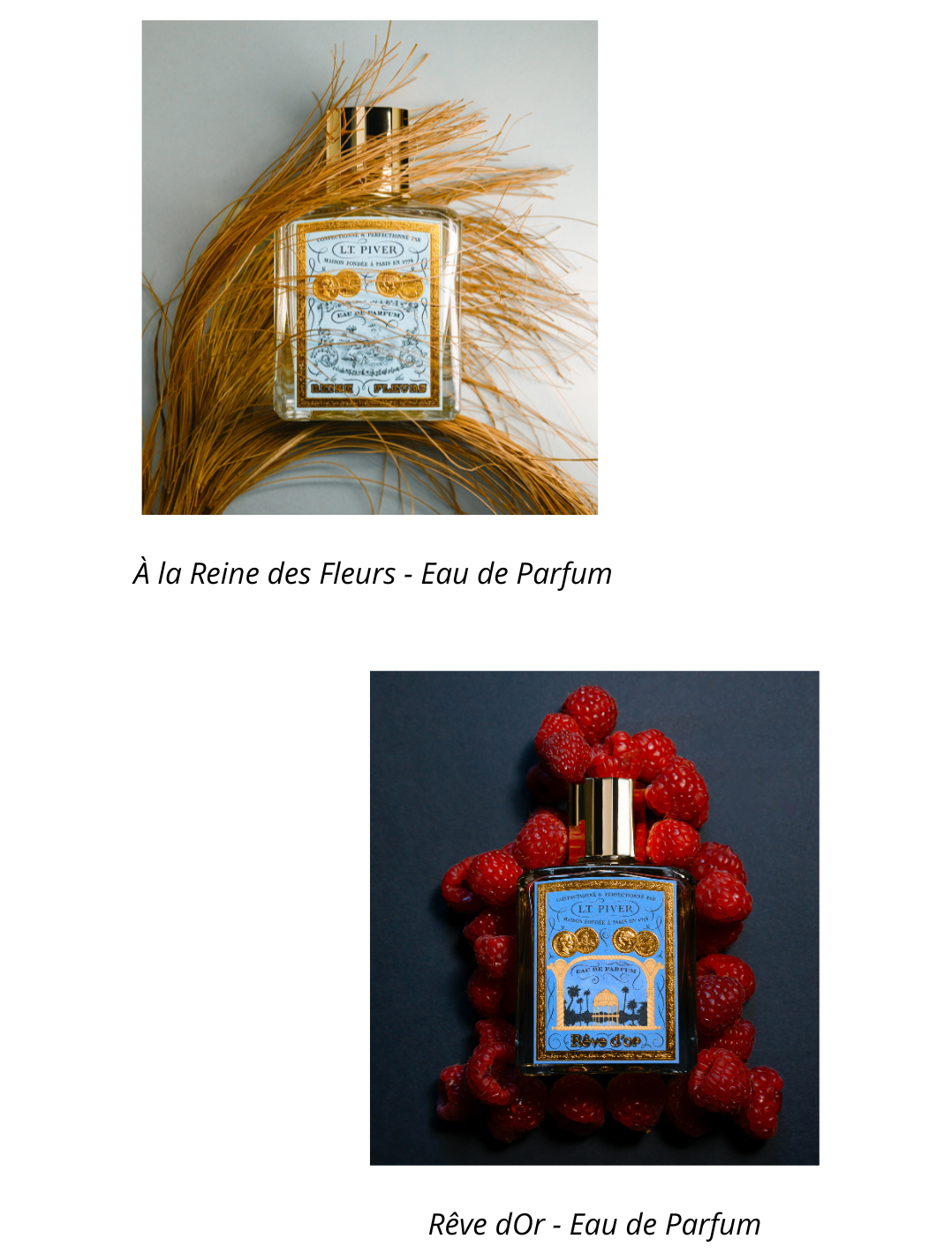
So the best question isn’t “which fragrance is the most refined,” but “what do I want to feel when I wear it.” A craving for freshness and spontaneity naturally leads toward citrus or aromatic families: À la Reine des Fleurs, built around verbena, petitgrain, and musk among its main ingredients, opens on top notes of verbena and orange blossom, before settling into a heart of aromatic herbs, lavender, rosemary, and thyme, exactly that sense of fresh air and carefree lightness.
A craving for comfort and softness leans instead toward powdery floral families, like Héliotrope Blanc, whose main accord of heliotrope, ylang-ylang, and tonka bean unfolds into top notes of jasmine and ylang-ylang, a heart of heliotrope and almond, then a base of tonka bean and vanilla: a caress rather than a statement. A craving for assertiveness and presence calls for denser, woodier, or more oriental families: Cuir de Russie, whose main accords combine leather, cardamom, and patchouli, opens on mandarin and honey, settles into smoky oud and nutmeg, then ends on a base of leather, sandalwood, and incense. Rêve d’Or, meanwhile, rests on raspberry, saffron, and cedar as its main accords: its sparkling aldehydes in the top notes lead into a heart of raspberry, rose, and saffron, before settling into musk, cedar, and amber.
Match the Concentration to the Occasion, Not Just the Budget
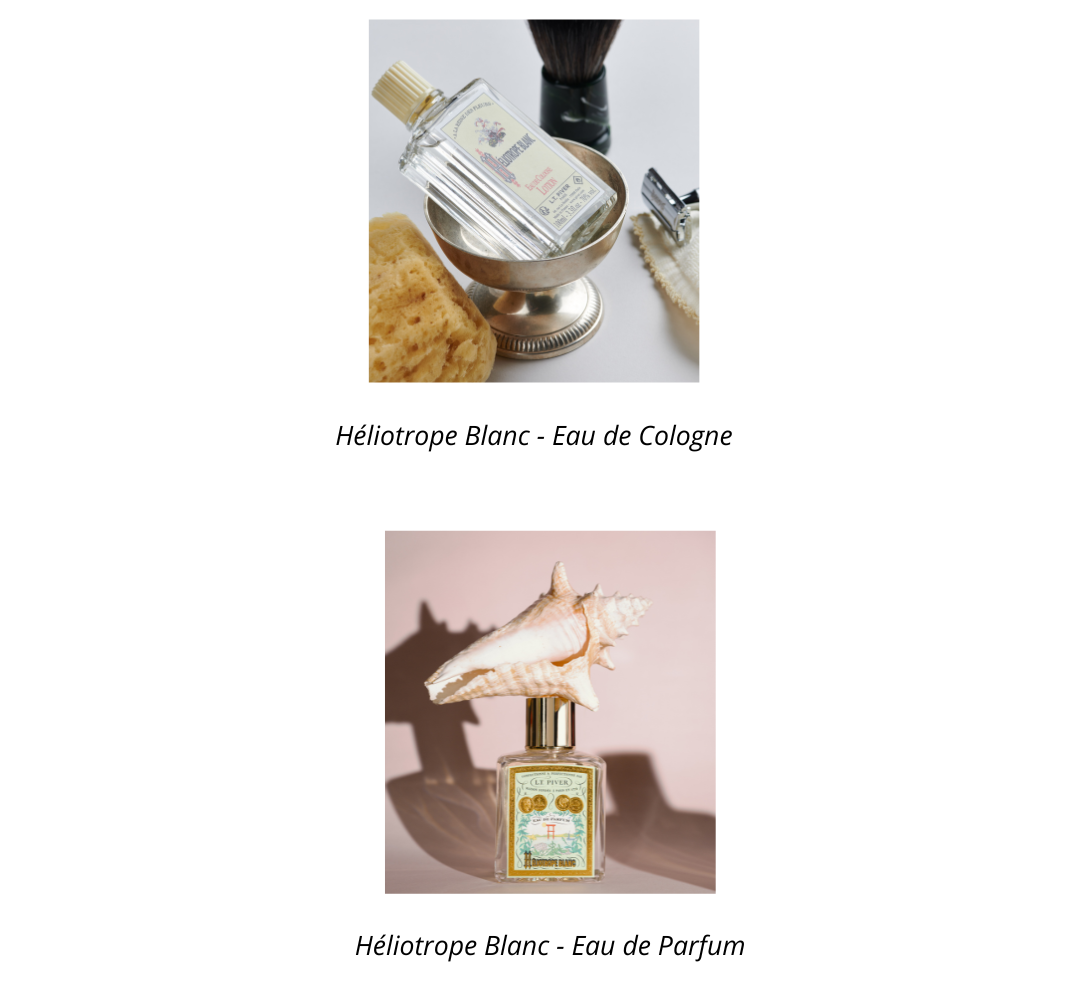
We often think the choice between Eau de Cologne, Eau de Toilette, and Eau de Parfum is purely a matter of price. It’s mostly a matter of occasion. An Eau de Cologne, between 2 and 5% concentrate, lighter, suits everyday wear, the office, and hot days when you want a discreet trail you can reapply throughout the day: it’s also the house’s historic concentration, the one that made À la Reine des Fleurs a success as early as 1774, and the one still found today across our entire Cologne collection, from Pompeia to Cuir de Russie to Eau des Princes, all crafted using our drawer-maturation process. An Eau de Parfum, between 10 and 20% concentrate, better suits occasions where you want the fragrance to last without a second thought: an evening out, an important meeting, a long-haul flight, a dinner that runs late. It’s this version that gives more elaborate compositions, like Un Parfum d’Aventure or Rêve d’Or, the time to fully unfold, from the spiced or sparkling opening to the woody or amber base that closes the pyramid.
The same fragrance can thus accompany very different moments depending on the version chosen: Héliotrope Blanc in Cologne for a light day, or in Eau de Parfum for a presence that lasts into the evening, without ever having to change trail entirely. Cuir de Russie follows the same logic: a Cologne for understated elegance during the day, an Eau de Parfum when you want its base of leather, sandalwood, and incense to truly settle in and hold through an entire evening. There’s no “superior” version, then, just two ways of wearing the same signature depending on the moment ahead of you.
Let the Time of Day Guide You
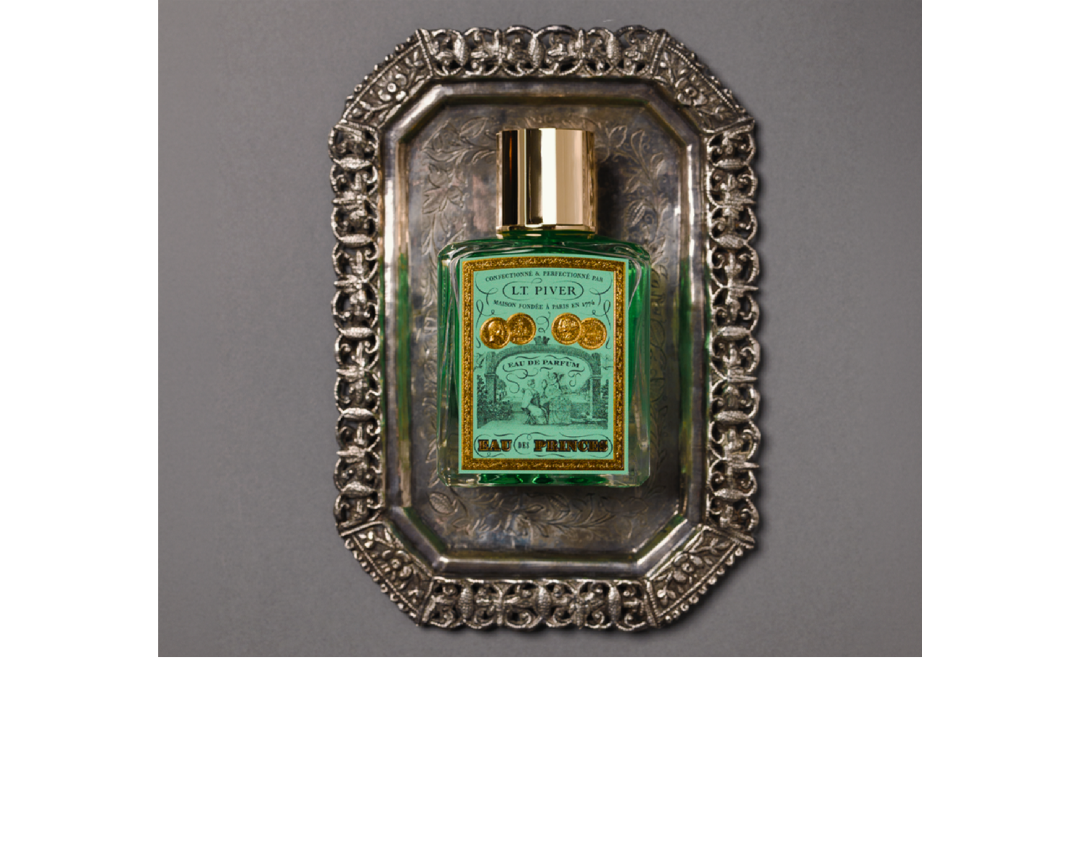
Top notes, which express themselves in the first few minutes, often say a great deal about when a fragrance is best worn. A lively, citrus or mentholated top note, like that of Eau des Princes, whose main accord combines bergamot, mint, and ambrox, naturally finds its place in the morning, when you’re looking to wake up as much as to perfume yourself, before a heart of lavender and sage takes over and a base of musk and patchouli settles in to durably anchor that opening freshness. A rounder, fruitier top note, like that of Pompeia, whose main ingredients include peach, ylang-ylang, and moss, suits a sunny afternoon better: mandarin and peach open the fragrance, before a heart of jasmine and saffron takes over. And a top note carried by sparkling aldehydes, like that of Rêve d’Or, truly comes into its own at dusk, when you’re looking to shine rather than go unnoticed, much like Un Parfum d’Aventure, whose main ingredients combine black pepper, nutmeg, and lavender, and whose top notes of pink pepper and bergamot announce a spiced heart of clove, nutmeg, and cinnamon, more at ease in the evening than first thing in the morning.
Listen to the Base Note Before You Buy
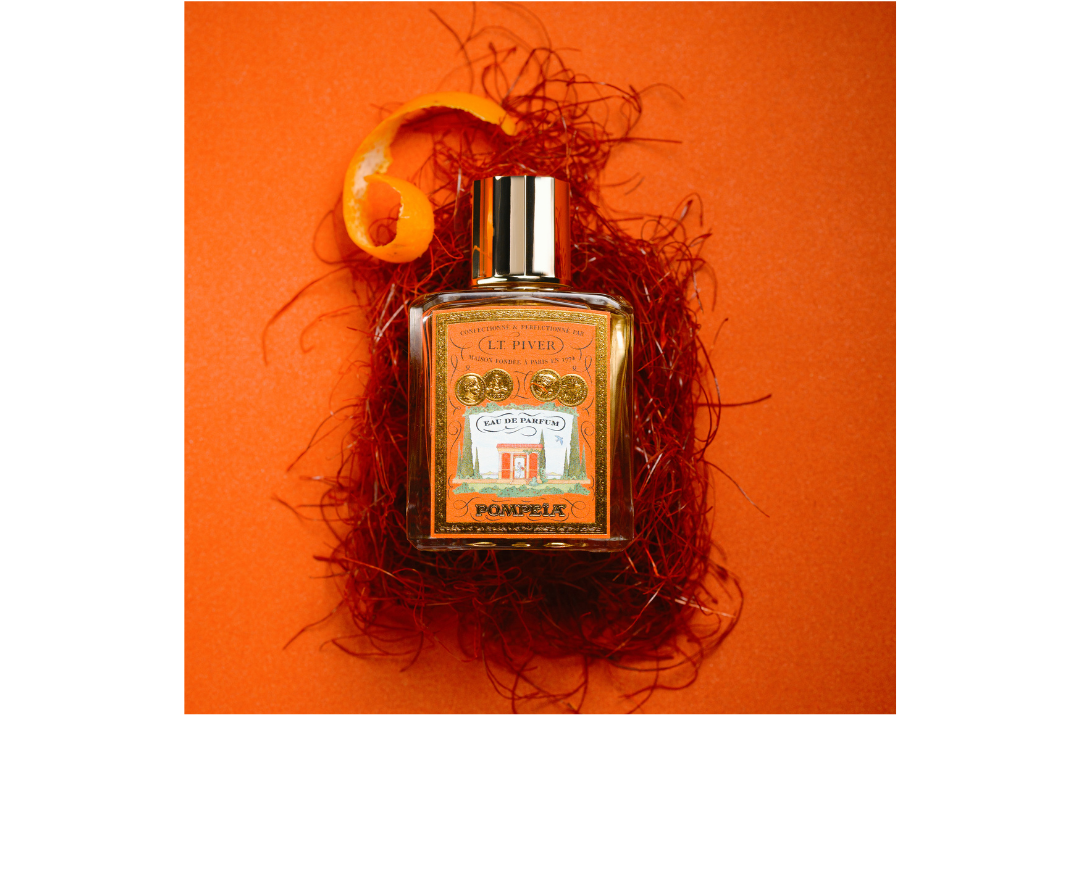
If the top note seduces you in the store, it’s the base note that decides whether a fragrance will truly stay with you. It’s the one that lingers on skin for hours after application, once that first impression has faded, and it’s often the base, more than the top, that determines whether you truly feel at home in a trail. Before choosing, it’s worth smelling a fragrance several hours after applying it, not just straight out of the bottle: that’s when you discover whether you truly love a woody base of cedar, sandalwood, and vetiver as in Un Parfum d’Aventure, an amber and musky base as in Rêve d’Or, a gourmand base of vanilla and tonka bean as in Héliotrope Blanc, the chypre base of amber, patchouli, and osmanthus that closes Pompeia, or the leather and sandalwood that sign off Cuir de Russie. A base note you don’t love will, sooner or later, make the rest of the fragrance disappointing, even if the top note won you over instantly.
That said, nothing obliges you to stick with the same trail for life. The fragrance that suited you at twenty isn’t necessarily the one that suits you today, and the one you wear in winter, denser and more enveloping, isn’t necessarily the one that will suit you in the height of summer, when lighter often feels better. Regularly questioning what you wear, without seeing it as a betrayal, may well be the best way to keep choosing well, season after season, mood after mood.
Discover the olfactory pyramid of each of our seven fragrances to find the one that suits you today.
Personalized Gift
Gift wrapping available with every order.

Customer Service
Our team is here to assist you: contact us by email.
Free Delivery
With any purchase $over 150

Complimentary Sample
Complimentary fragrance sample with purchases of 65€ or more.