L.T. Piver, 1774: The Untold Story of France’s Oldest Perfume House


By L.T.Piver

1774: Paris, the Ancien Régime, and a Perfumer

In 1774, Paris stood as the world capital of elegance. Perfumery was a recognized art, practiced by artisans organized into guilds for centuries. It was in this context that the house that would later bear the name of Louis-Toussaint Piver was born — a perfumer whose pursuit of excellence would lead him to develop a unique manufacturing formula, carefully guarded ever since.

That same year also marked the accession of Louis XVI. The court of Versailles was at the height of its olfactory influence — a place where Parisian perfumers found both their most demanding clients and their most valuable recognition. From the outset, Piver established itself within this world of exacting excellence, where every formula had to measure up to the finest noses of the time.

What set the house apart from the very beginning was a simple conviction: the quality of raw materials comes above all else. No shortcuts, no compromises. A philosophy that would guide every decision for the next two and a half centuries.
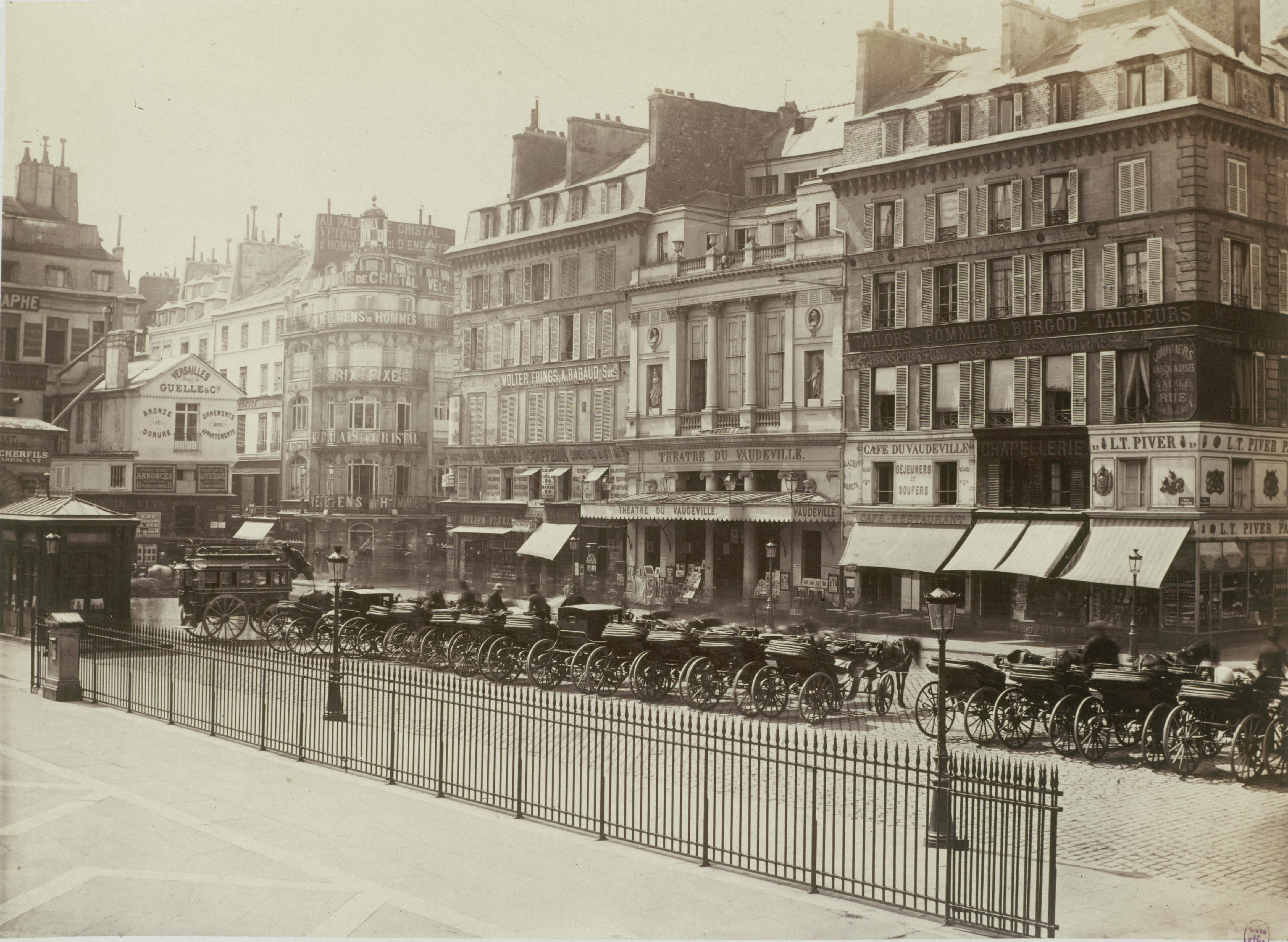
Charles Marville (1813-1879). Place de la Bourse et théâtre du Vaudeville, vers 1865. Paris, Musée Carnavalet.

Weathering It All — Without Ever Losing Its Integrity

What is remarkable about Piver’s history is not its longevity in itself. Other historic houses still exist — some thanks to acquisition by luxury conglomerates, others through a radical transformation of their identity. Piver chose a different path.

The Revolution of 1789 swept away much of the aristocratic clientele of Parisian perfumers. Piver endured by finding new clients among the emerging bourgeoisie — without lowering its standards. Napoleon, the Restoration, the July Monarchy, the Second Republic — each regime brought its own constraints, opportunities, and figures. Piver moved through each of them.

In the 19th century, the house built its international reputation: from its first awards at the Paris and London World’s Fairs between 1851 and 1878, to becoming an officially appointed supplier to the great courts of Europe. A recognition that was never bought — only earned, formula by formula.

Discretion as a Strategic Choice

In modern perfumery, marketing reigns supreme. Luxury houses spend fortunes on ambassadors, spectacular launches, and high-profile advertising campaigns. Piver has always chosen the opposite path — letting its fragrances speak for themselves.

This is not a matter of timidity. It reflects a deeper conviction: when you have formulas that have stood the test of two and a half centuries, there is no need to dress them up in storytelling. The story is in the bottle — not in the campaign.

“This precious know-how was passed down to us by our esteemed Louis-Toussaint Piver, who developed a manufacturing formula unique of its kind, carefully safeguarded by the House and unmatched to this day.” — Maison L.T. Piver

At the heart of this manufacturing formula lies its maturation in drawers — a process that has remained unchanged. Each fragrance ages slowly for three to four months, crafted from more than a hundred natural ingredients, before being bottled. It is a process that is deliberate, exacting, and costly. This is Piver.

Timeless Fragrances, Freshly Reimagined

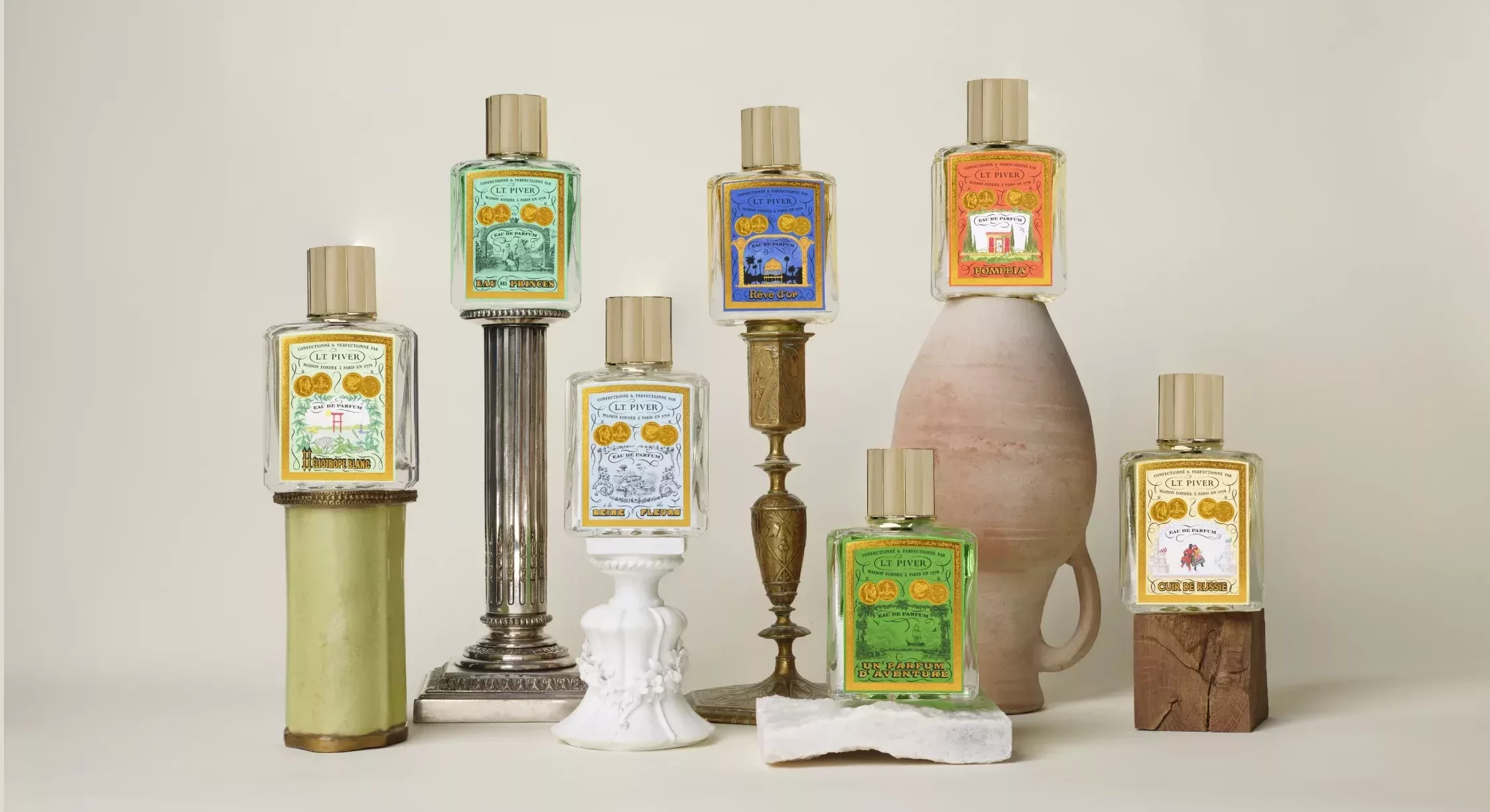
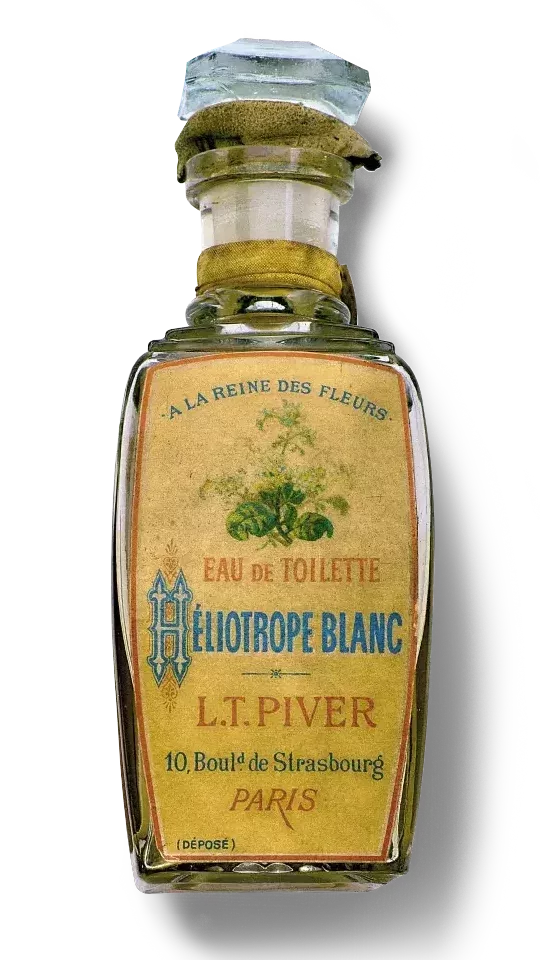
One of the house’s most important decisions in recent years has been to reinterpret its historic fragrances as Eau de Parfum — without betraying them. Rêve d’Or, created in 1889. Héliotrope Blanc, Pompeia, Cuir de Russie, À la Reine des Fleurs, Eau des Princes — fragrances that have endured for decades, some for more than a century.

The Eau de Parfum version of each is not merely a stronger concentration. It is a thoughtful reformulation designed to express the very essence of the fragrance in this more intense format — revealing base notes that lighter versions could not fully convey.

The result is a collection that speaks both to those familiar with the house’s history and to newcomers — the former find fidelity to a heritage, the latter discover fragrances that seem untethered to any particular era.

What 250 Years Have Taught the House

The first lesson: trends come and go, but raw materials endure. The rose of Grasse, Madagascar vetiver, Atlas cedar — these materials have remained the same for centuries, and they will still be here in a hundred years. Investing in their quality is investing in longevity.

The second lesson: patience is an industrial virtue. Maturation in drawers takes three to four months. It would be easy to shorten this period using modern techniques. Piver does not — because this very maturation is what gives the fragrances their incomparable depth and stability.

The third lesson, perhaps the most counterintuitive in today’s world: do not reveal everything. Preserve a sense of mystery. Let the fragrance do the talking. In a world of total transparency and constant communication, deliberate silence has paradoxically become a form of distinction.

Visuel de la collection Eau de Parfum de L.T. Piver avec plusieurs flacons raffinés représentant différentes fragrances historiques.

Piver Today — A Constant Vision, Expanding Horizons

Today, the house of L.T. Piver continues to do what it has always done: create high-quality fragrances, taking the time necessary, using the finest raw materials. The Eau de Parfum range, historic Eaux de Cologne, Lait d’Iris, and the new collections to come — all follow this same standard of excellence.

What has changed is accessibility. For the first time in two and a half centuries, Piver fragrances are available without intermediaries, directly on piver.com — delivered across France, carefully packaged, and accompanied by a sample with purchases of €65 or more. The house that has always refused to compromise its values has not changed — it has simply opened its doors a little wider.

Frequently Asked Questions

Is Piver a niche or luxury house?
Both, in its own way. It does not belong to the marketing categories that segment contemporary perfumery — it is simply an old, independent house that makes exceptional perfumes.

Where are Piver perfumes made?
In France, with ingredients primarily sourced from Grasse and Italy. Production remains artisanal, faithful to the drawer-maturation process inherited from Louis-Toussaint Piver.

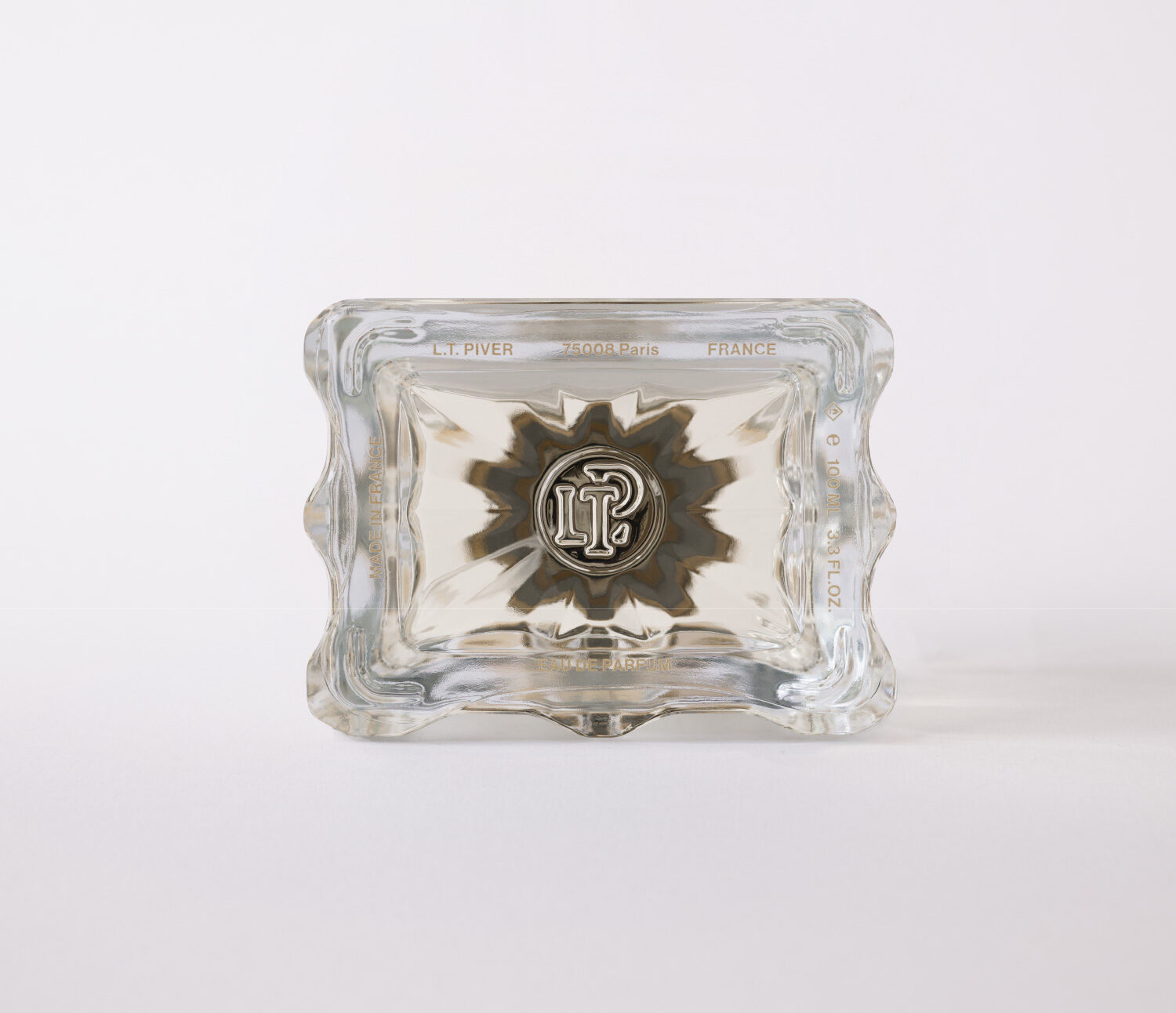
Fond de flacon pour Eaux de Cologne L.T. Piver, parfum français classique et élégant
Fond de flacon des Eaux de Cologne L.T. Piver – design raffiné et héritage historique

Personalized Gift

Gift wrapping available
for all orders

Customer Care

We are here for you :
contact us via email

Free Delivery

on all orders of €150 or more

Free Sample

A free perfume sample with purchases over €65