Unlocking the Secrets of Maceration and Distillation


By L.T.Piver

Perfume is as much an art of patience as it is a science of precision. Behind the brilliance of a bottle lie subtle steps, often invisible to the public, that are nevertheless essential to the quality of a fragrance. Two of these processes particularly embody this union of tradition and expertise: distillation, which captures the very soul of the plants, and maceration, which refines the perfume as a cellar master would perfect a fine wine.

Distillation: Preserving the True Essence

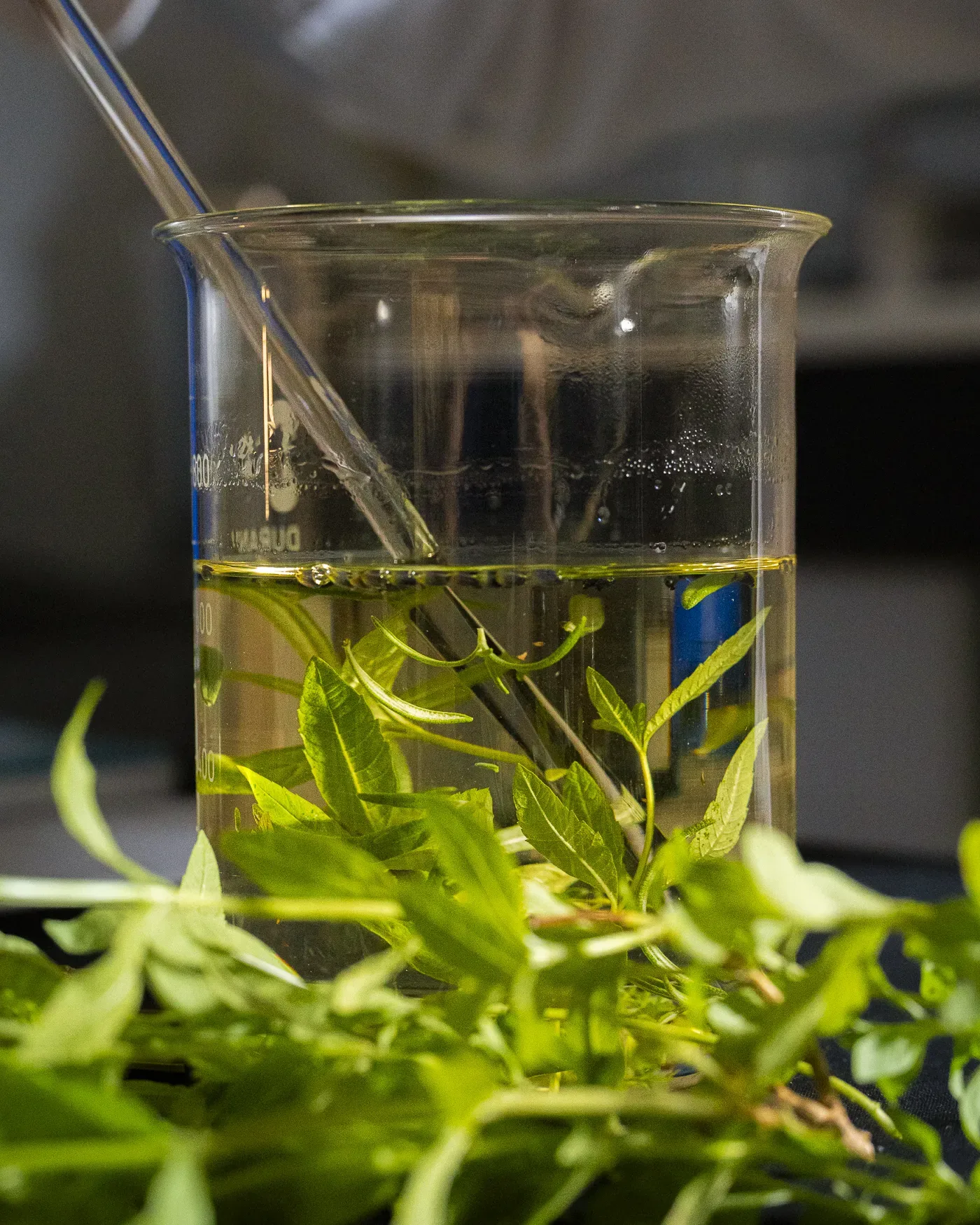
Distillation is one of the oldest techniques used in perfumery. It was already employed in the Middle Ages with Arab alembics and remains today a cornerstone for extracting raw materials. The principle seems simple: water is heated, and its steam passes through flowers, leaves, or woods, carrying their aromatic molecules with it. These vapors are then cooled and condensed, producing two products: the hydrosol and, most importantly, the essential oil.

But behind this simplicity lies extreme precision. The temperature must be controlled to the exact degree: too much heat would destroy the most delicate molecules, while too little steam would reduce efficiency. Each raw material demands its own pace and distillation time. It takes more than three tons of rose petals to produce just one kilogram of essential oil—a fragile alchemy between science and patience.

A Millennial Heritage

Distillation has its origins in Eastern civilizations. The first alembics were used by Arab scholars as early as the 9th century, notably by the famous physician and philosopher Avicenna, who perfected the process to extract the essence of rose. From there, this knowledge spread to the West through commercial and cultural exchanges, eventually becoming, by the Renaissance, a true European specialty. Even today, the alembic remains the timeless symbol of extraction—a bridge between history and modernity.
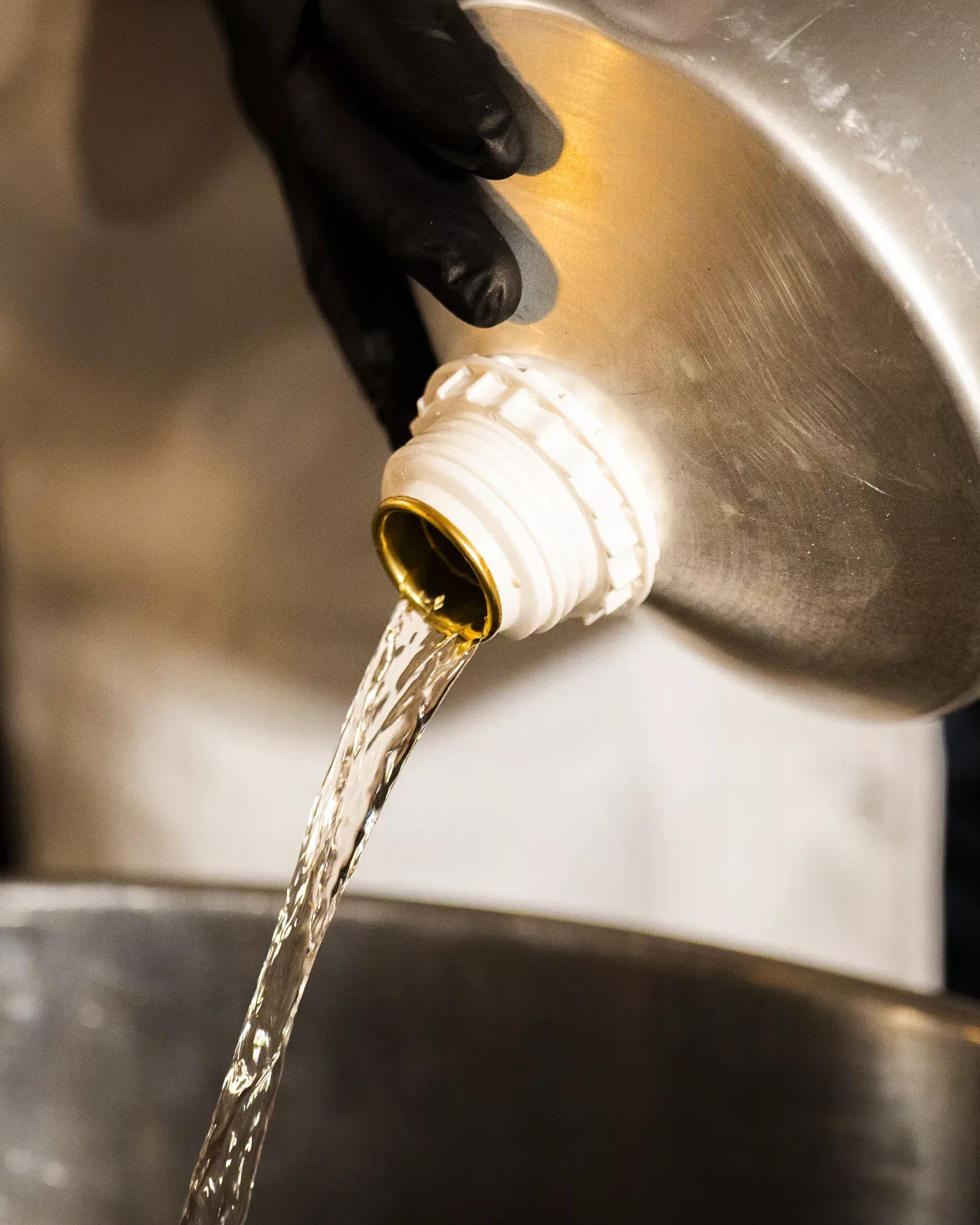
Maceration: Time as an Ally

Once the perfumer has created the formula, the perfume concentrate must be diluted, usually in alcohol. But this blend is not immediately harmonious: it needs time to meld, soften, and stabilize. This is where maceration comes into play.

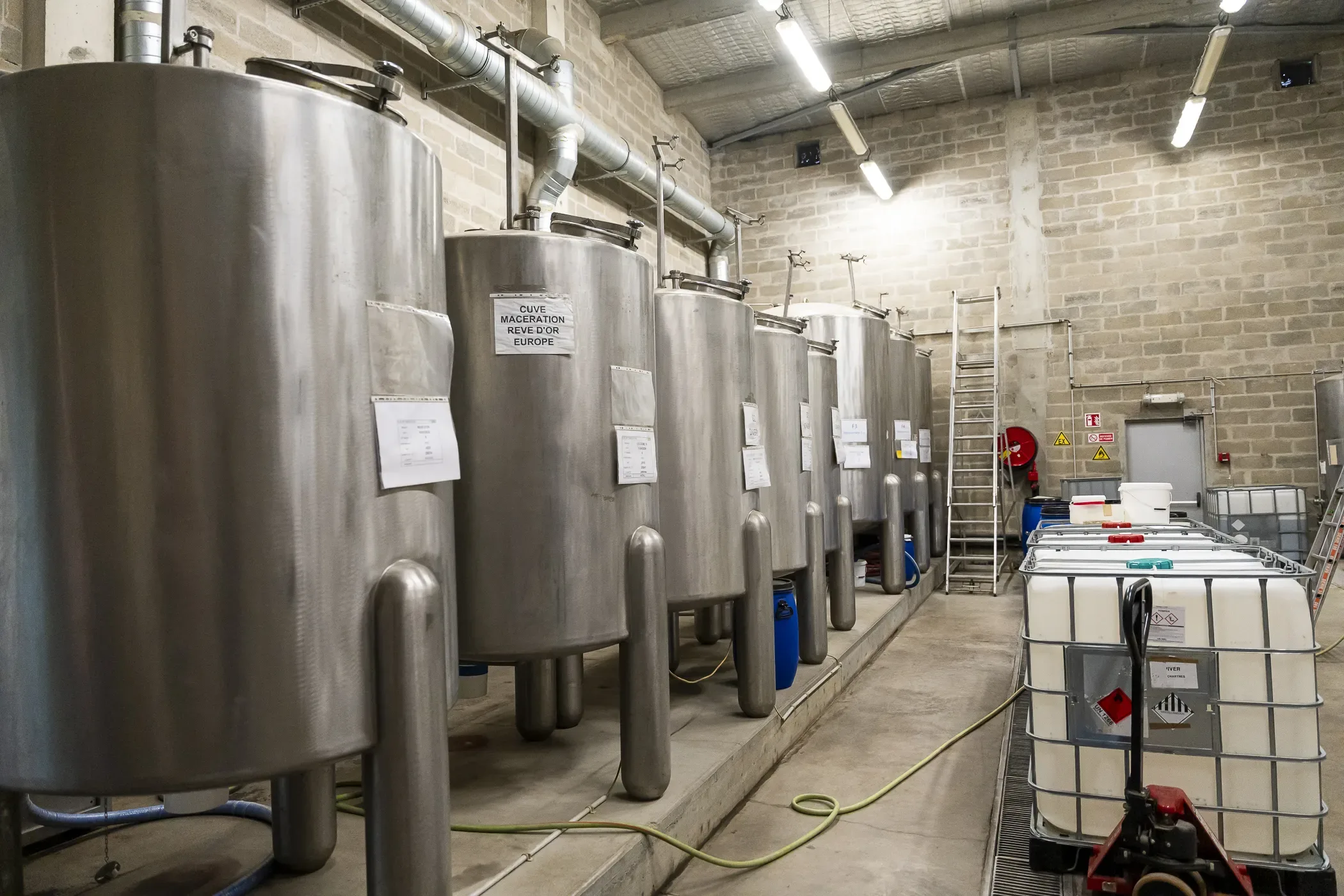
At L.T. PIVER, this stage takes place in our Chartres facility, within stainless steel vats specially designed to preserve the purity of the compositions. Over several weeks, sometimes several months, the raw materials slowly marry. Fresh notes round out, accords become more harmonious, and the fragrance gains depth. The comparison with wine is no coincidence: a fine vintage, before being savored, must age to reveal its full complexity. The same is true for perfume.

Once maceration is complete, the perfume undergoes two other crucial processes: chilling, which involves cooling the fragrance to very low temperatures to remove impurities, and filtration, which gives it a crystalline clarity. Only after these steps can the fragrance be bottled.

The French Tradition of Maceration

Maceration is not merely a technical process; it is a true ritual that places French perfumery within a broader culture of patience and refinement. From the winemaker’s cellar to the master blender’s reserve, France has always nurtured this intimate relationship with time, seen not as an obstacle but as an ally. Perfumery has adopted this philosophy: allowing the fragrance to “breathe,” to mature, and to reach its perfect balance before it meets the skin.

The L.T. PIVER Craft: Precision and Rigour

What sets L.T. PIVER apart is the mastery of these processes in their entirety. Unlike many houses that outsource certain steps, we handle maceration and packaging ourselves at our Chartres facility. Each fragrance is monitored with absolute rigor: temperature control, olfactory development tracking, and verification of the perfume’s clarity.

Finally, the bottling is done by hand, by our skilled artisans. Each bottle is carefully inspected, filled, and sealed with meticulous attention, reflecting our exacting standards. This artisanal care, combined with cutting-edge technologies, ensures an exceptional product—true to our more than 250-year heritage, recognized by the French label Entreprise du Patrimoine Vivant (EPV).

An Alchemy of Time and Craftsmanship

Distillation and maceration are two sides of the same truth: a great perfume cannot be rushed. It is born from a delicate balance, a mastery of gestures, and a patience that no machine can replace. At L.T. PIVER, we uphold this exacting standard, knowing that it is in these invisible details that olfactory emotion is revealed.

A perfume is more than just a blend of raw materials. It is an alchemy, where science serves beauty and time becomes a true artisan.

Personalized Gift

Gift wrapping available
for all orders

Customer Care

We are here for you :
contact us via email

Free Delivery

on all orders of €150 or more

Free Sample

A free perfume sample with purchases over €65