The Art of the Nose, at the Crossroads of Science and Emotion
The perfumer holds a singular place in the world of fragrance.
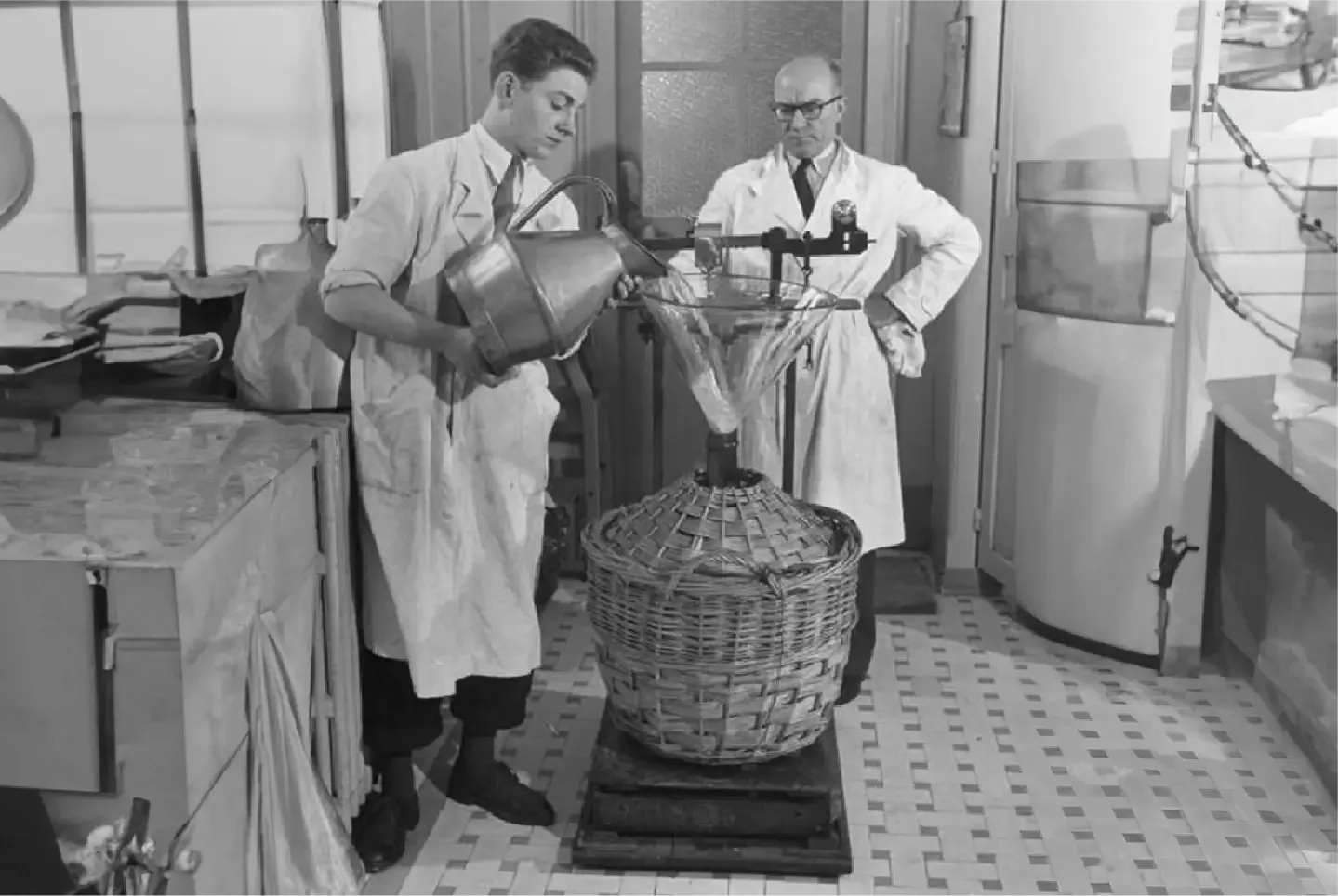
This creator does not write with words, but with scents. In front of their perfume organ, lined with hundreds of raw material bottles, they compose like a musician facing a score, seeking the perfect harmony. Unlike a melody, however, a fragrance is not experienced all at once: it evolves over time, transforms on the skin, and tells a story in several chapters.
Their guiding framework is the olfactory pyramid.
The top notes open the dance: fresh, lively, and volatile, they captivate immediately but fade quickly. Next come the heart notes, rounder and more sensual, carrying the perfume’s identity. Finally, the base notes anchor the composition over time with heavy, long-lasting materials that leave a trail for hours, sometimes days. The perfumer must therefore juggle molecules of different weights and evaporation speeds, balance contrasts, and anticipate how the fragrance will develop—not just on a test strip, but on the skin.
This craft, often associated with poetry, is also grounded in rigorous science.
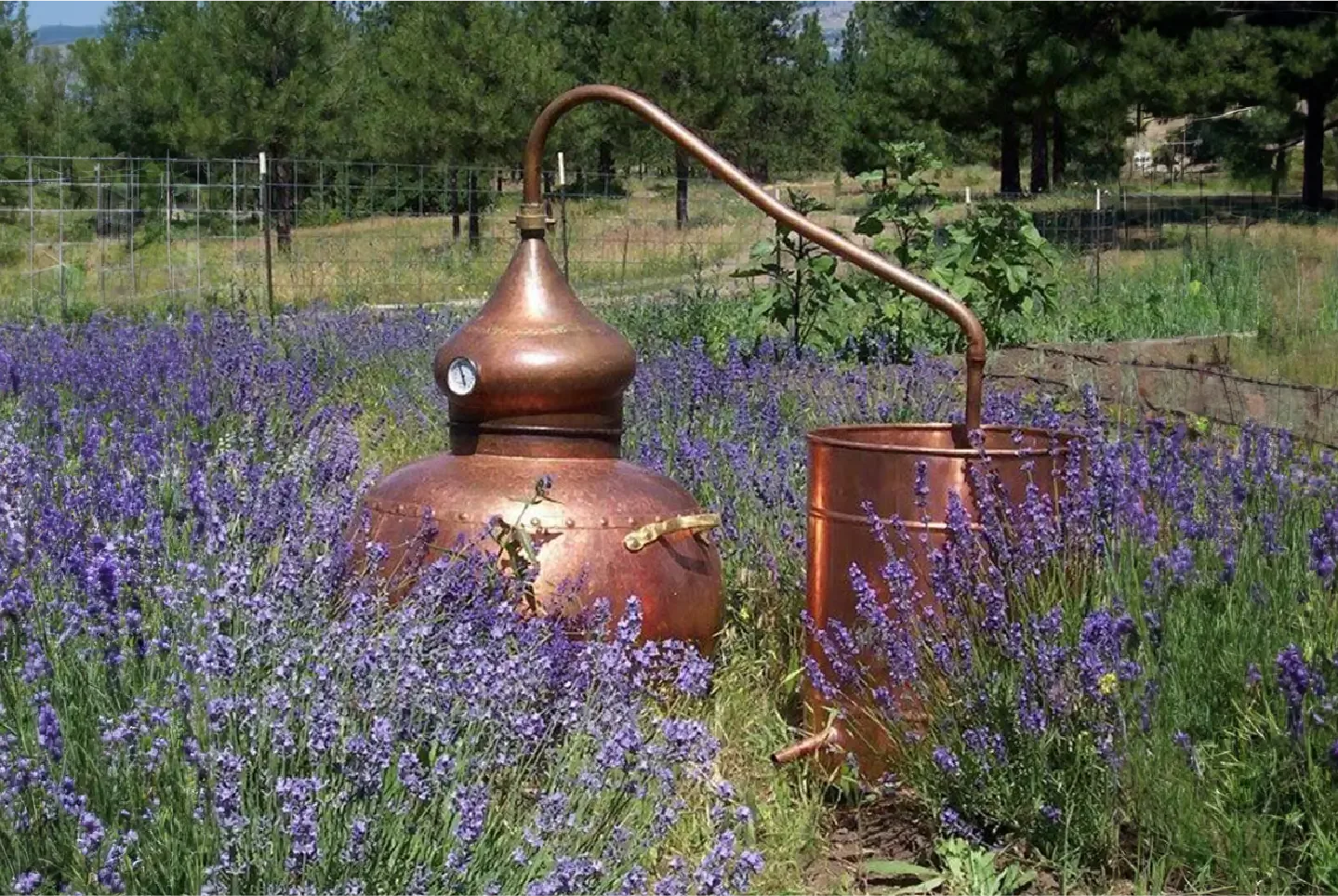
Perfumers must understand the chemistry of molecules, their compatibility, and their interactions. Some accords are nothing short of olfactory miracles: a raw material may seem harsh on its own, yet becomes sublime when combined with another. This invisible alchemy requires years of training, experience, and above all, an exceptional olfactory memory.
At L.T. PIVER, perfumers carry forward this creative tradition while drawing on more than 250 years of heritage.
Their freedom is ensured by one essential principle: the house retains ownership of its formulas. Unlike many structures that delegate or outsource, we maintain full control over our creations, allowing faithful transmission of our olfactory heritage and precious artistic independence.