
Cinnamon, clove, orange: the scent of the holidays has a story
A pot of mulled wine simmering, an orange studded with cloves, gingerbread fresh from the oven: what we call "the scent of the holidays" is no accident of the season. It is a succession of perfumery materials, each with its own story and, above all, its own way of speaking to the nose. Here is what they tell us, and what they convey.
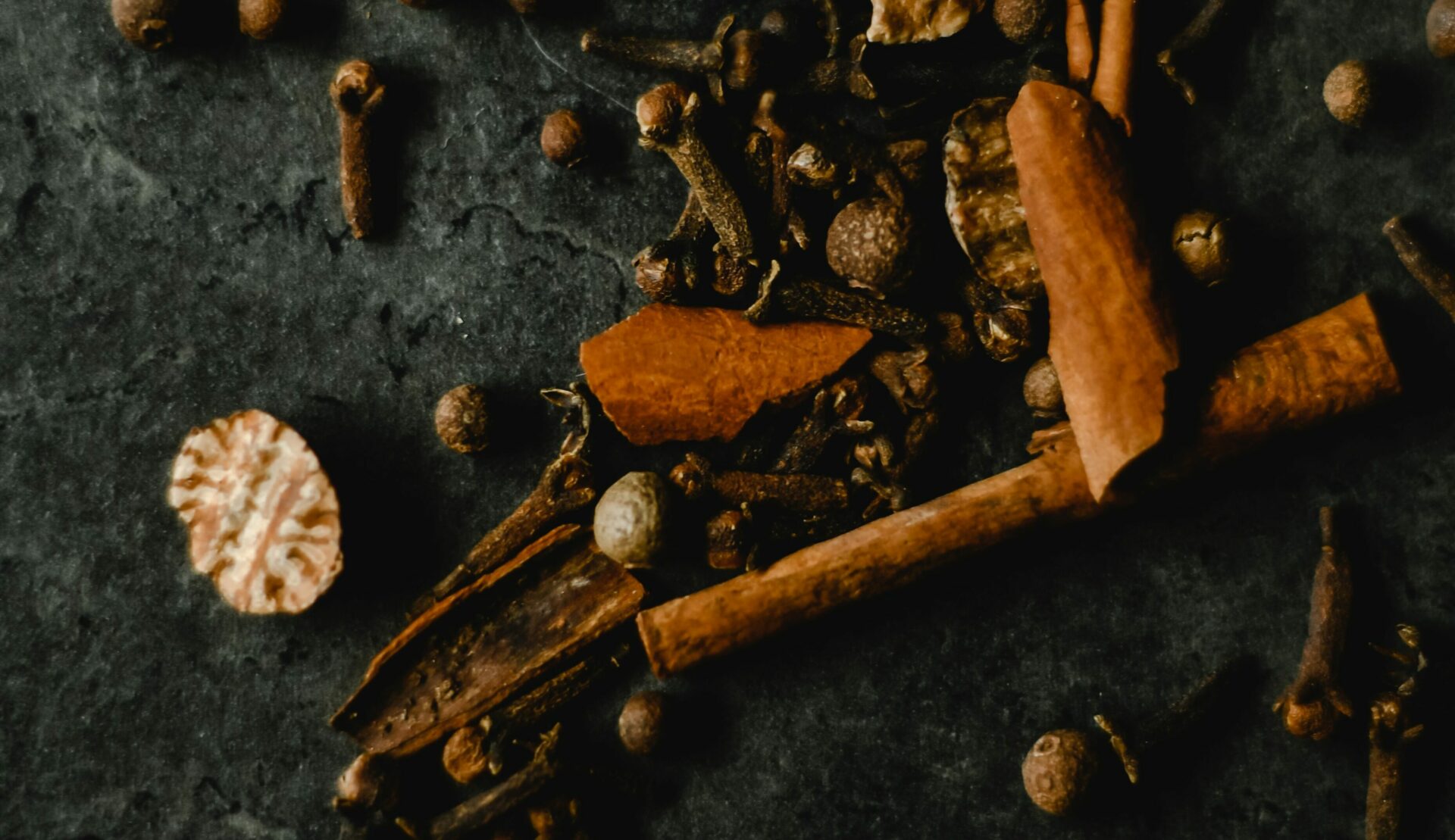
These spices became the spices of the holidays first and foremost because they were rare. They grew only in the Moluccas, on Banda or in Ceylon, and European powers fought over them: in 1667, the United Provinces even ceded the colony of New Amsterdam, today’s New York, to England in order to keep the island of Run, rich in nutmeg. A treasure of such value was kept for special occasions, and so these spices found their way onto the holiday table, into cookies, gingerbread and mulled wine, until they became the very scent of Christmas.
Cinnamon is the most enveloping of the three. Its scent comes from the inner bark of a tree native to Sri Lanka and from a dominant molecule, cinnamaldehyde: it gives that warm, slightly sweet, almost comforting impression of Christmas cookies and simmering mulled wine. In a composition, it warms: placed in the top notes, it gives the fragrance an immediate radiance; placed in the heart, it prolongs the warmth for hours.
Clove is drier, sharper, almost medicinal at first, before it rounds out. It is the spice we stud into an orange to scent the home, or drop into mulled wine. It owes its signature to eugenol, a molecule also found in carnation: which is why a fragrance containing clove can let a peppery floral impression drift close by. Nutmeg, for its part, softens the whole: woody, creamy, slightly musky, it is the spice grated over eggnog and end-of-year desserts, and it smooths the edges of the other two. Together, they form an accord the nose recognizes immediately: that of gingerbread.
Frankincense and orange: the resin and the light of winter
Two other materials answer these spices and, together, give winter its balance: one deep and smoky, the other bright and lively.
Frankincense is a resin: the bark of a tree from the south of the Arabian Peninsula, Boswellia sacra, is cut, and the tears that harden in the air are gathered. It has been tied to celebrations since time immemorial: it is burned to mark great moments, and it was the material offered, alongside gold, to the most precious of guests. It retains from this an air of ceremony and contemplation, the one we associate with candlelit evenings and soft light. In a fragrance, it brings an almost ceremonial depth: a smoky, balsamic, slightly lemony base, like the stone of a room the candles have just warmed. Perfumers also call it olibanum.
Orange arrived in Europe at the end of the 15th century, at first as a luxury: a fresh fruit in the middle of winter was very much a gift, and that is how it ended up on every holiday table, plain or studded with cloves. It brings what frankincense cannot: light. Its tangy, juicy freshness brightens the warmth of the spices and the gravity of the resins. In perfumery, citrus plays precisely this role of opening, the one that draws the nose in before the rest unfolds. Together, frankincense and orange tell the two faces of December: contemplation and joy.
What these materials do in our fragrances?
These materials are not only those of the table and of winter evenings: they appear in the olfactory pyramids of the House, including in its very latest creation. Each offers a different reading, like three ways of telling the same season.
Un Parfum d’Aventure (1863) is the best example. It opens on pink pepper and bergamot, two lively, luminous notes that first give the impression of a spiced freshness. Then the heart warms: clove, nutmeg and cinnamon come together, exactly as in gingerbread or mulled wine, with the sweetness of cinnamon, the bite of clove and the creamy roundness of nutmeg. Finally, cedar, sandalwood and vetiver hold everything in a woody, dry, deep base that keeps the warmth from turning sugary. These are, more or less, the spices of the holiday table, held in place by woods: a warm trail with a taste of travel, like the spices that crossed the seas before reaching us.
Cuir de Russie (1892) tells another side of winter, darker and more intimate. It opens on mandarin and honey, a duo both luminous and soft, reminiscent of an orange peeled by the fire. The heart then changes register: smoky oud and nutmeg set in a more mysterious, almost woody warmth that prepares the base. There, leather, sandalwood and frankincense come together, and it is the frankincense one senses, with its light smoke and ceremonial depth. Citrus, spice and resin share the same conversation, darker and smokier, like a room where the fire has just died down and whose scent lingers long afterwards.
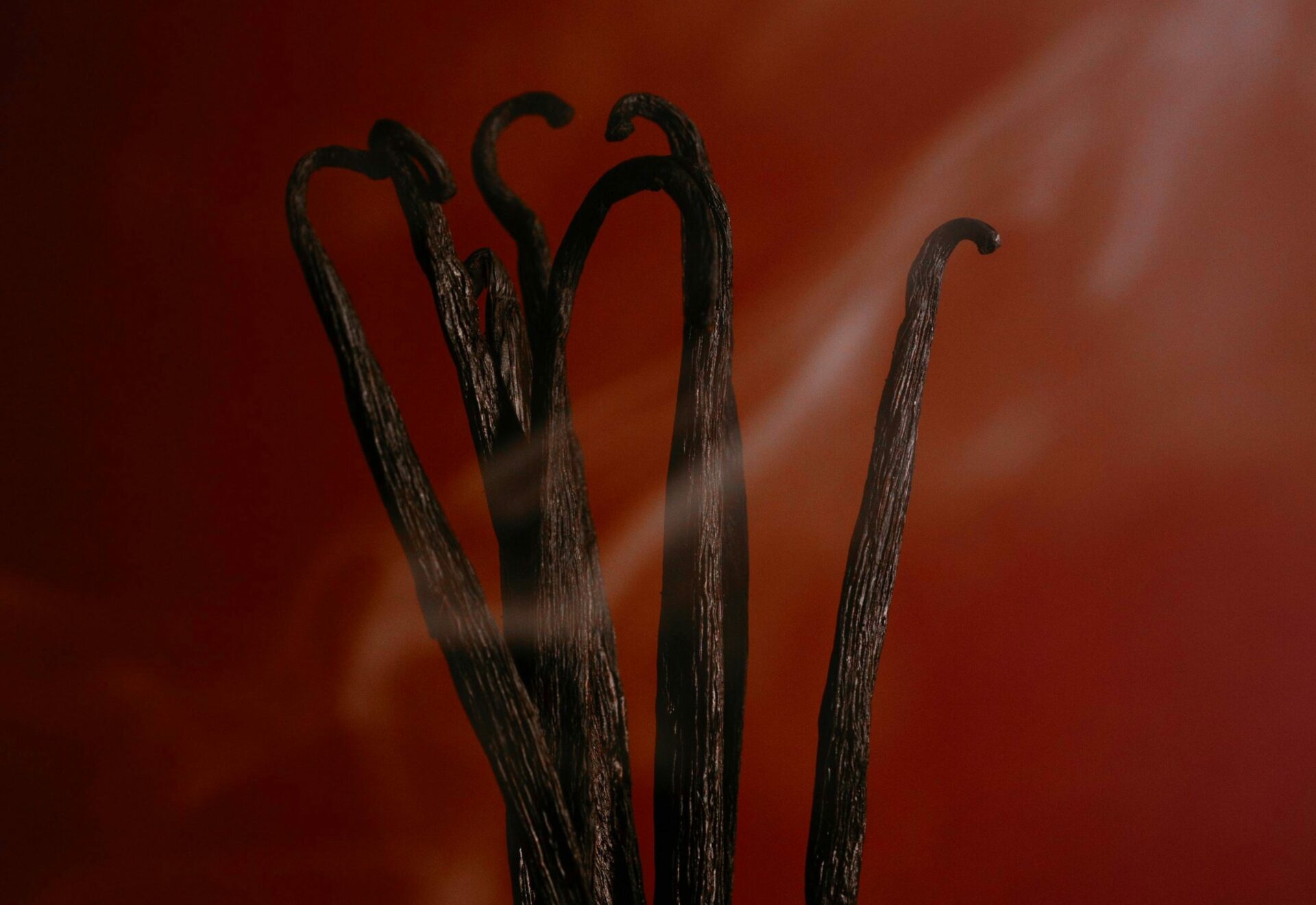
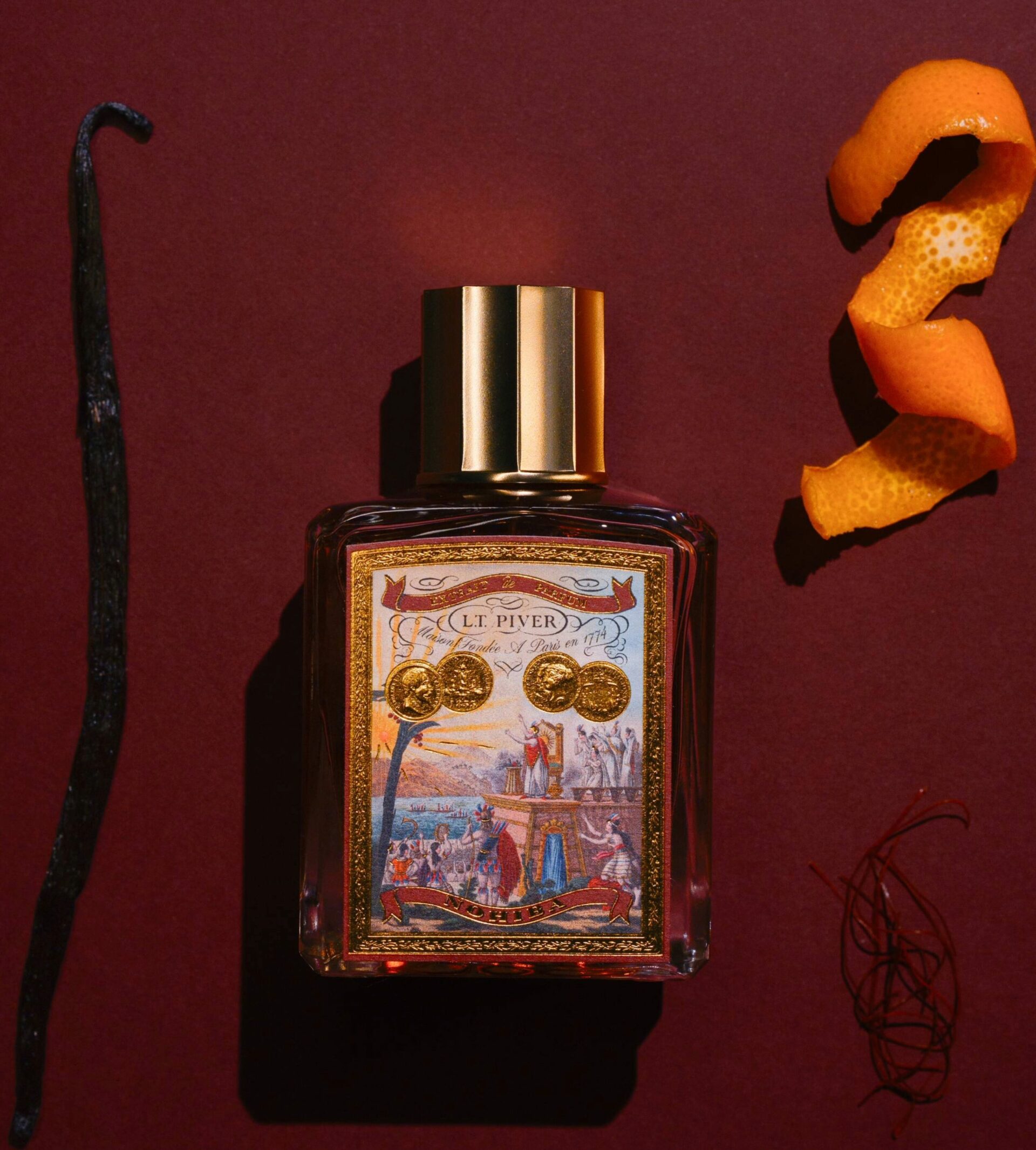
Nohiba, finally, brings almost all of these materials together in a single trail. Conceived in 1868 under the guidance of Alphonse Piver and kept in the House’s archives ever since, it is reborn today as an extrait de parfum, the very first from L.T. Piver, with a high concentration that gives it a long-lasting presence. It opens on mandarin and cinnamon, which offer from the start the light of citrus and the warmth of spice, then reveals rose, olibanum and leather in the heart: the rose brings a velvety floral note, the olibanum its resinous depth, the leather an almost dark patina. It finally settles on vanilla, amber and papyrus, for an enveloping base that is both sensual and woody. Citrus, spice and resin find in it the amber warmth of a winter night.
Perhaps that is what the scent of the holidays is, in the end: materials that have crossed seas and centuries to end up, one December evening, on skin.
Discover these materials in Un Parfum d’Aventure, Cuir de Russie and Nohiba.

Personalized Gift
Gift wrapping available with every order.

Customer Service
Our team is here to assist you: contact us by email.

Free Delivery
With any purchase $over 150

Complimentary Sample
Complimentary fragrance sample with purchases of 65€ or more.